

11 Biggest Environmental Threats to Our Oceans

The oceans make up 70% of the Earth’s surface area, but take up much less of our attention.
Here’s a look at the top 11 biggest environmental threats to Earth’s oceans:
11. Noise Pollution
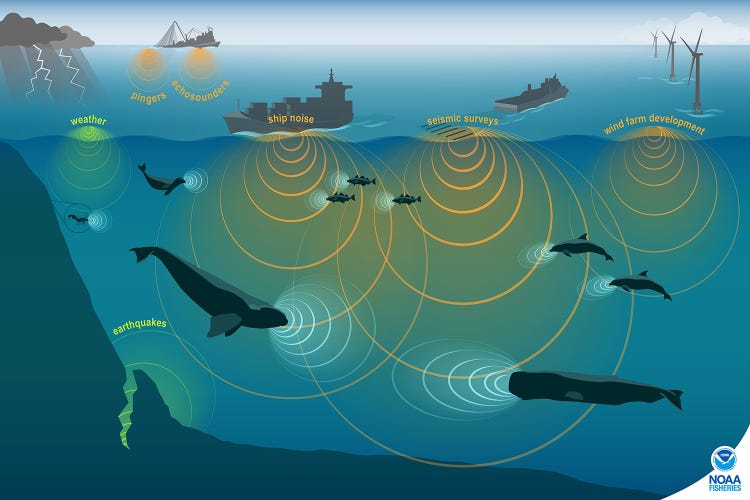
Many marine species evolved to use sound as an efficient means of underwater communication. But human activities like shipping, offshore oil drilling, or wind farm operation create noise which interferes with these natural systems.
Ocean noise pollution can cause hearing loss, persistent stress responses, and disruptions to migratory patterns and feeding behaviors.1 The effects of ocean noise remain poorly understood. But in future, a better understanding could lead to operational and technical mitigation strategies (i.e. rerouting around critical habitat areas or developing newer, quieter engines).
10. Aquaculture
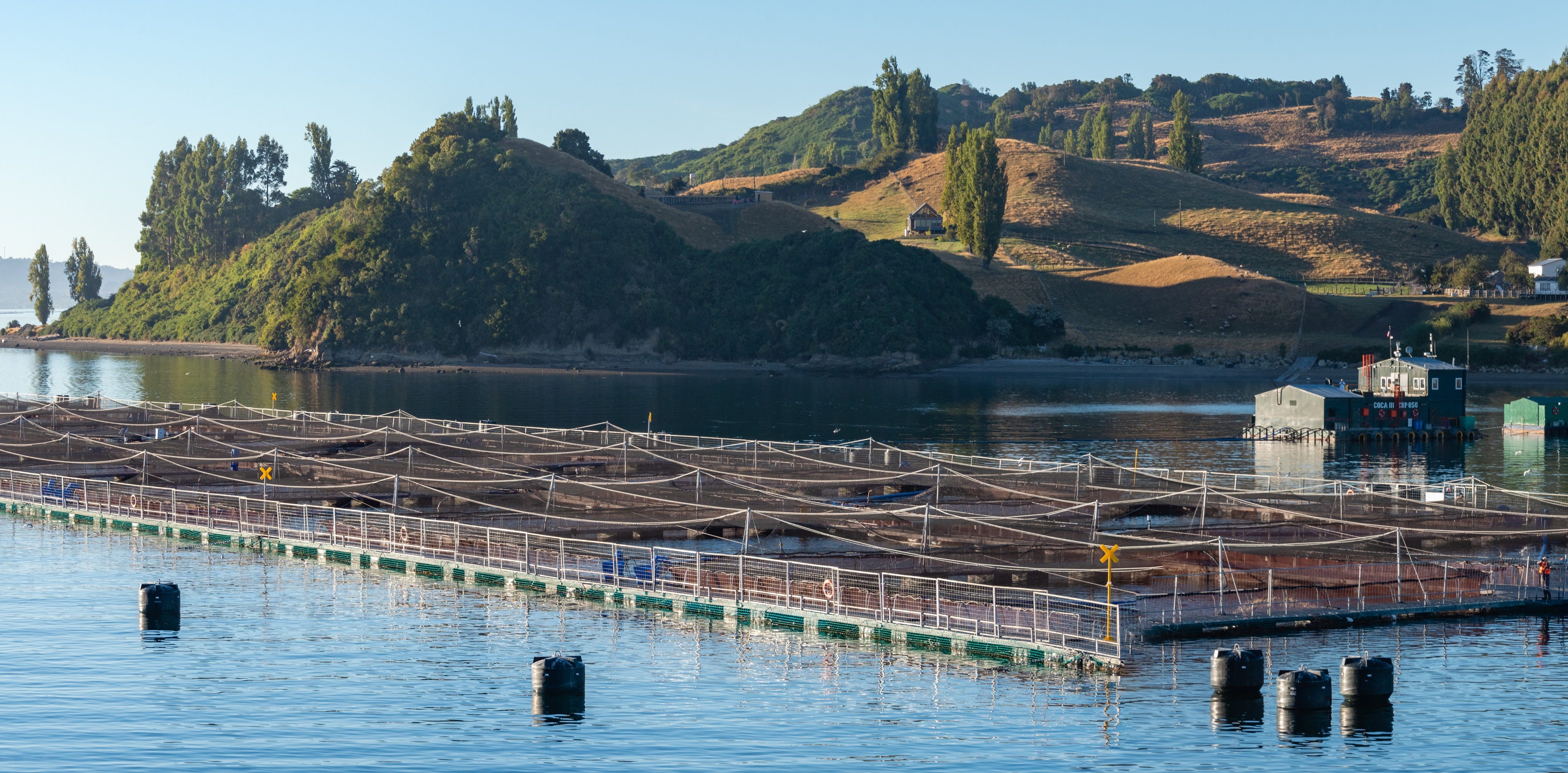
Aquaculture is a double-edged sword for conservationists. On the one hand, farming marine species like fish and shrimp for human consumption undoubtedly helps to preserve wild populations by displacing demand.2 On the other hand, aquaculture itself creates a host of its own environmental problems
Excess nutrients, antibiotics, and pesticides pumped into dense aquaculture pens often contaminate the surrounding seas and can create adjacent “dead zones”, where marine life cannot survive. The aquaculture farms themselves are sometimes built by clearing sensitive ecological zones like mangrove forests. Farmed fish can spread parasites and diseases to wild populations. And farmed fish like salmon are often fed smaller wild fish, depriving other wild species of their food supply.
Although the issue remains controversial, the emerging consensus is that these environmental impacts can be mitigated and aquaculture can be sustainable if properly regulated.3
9. Mangrove Destruction
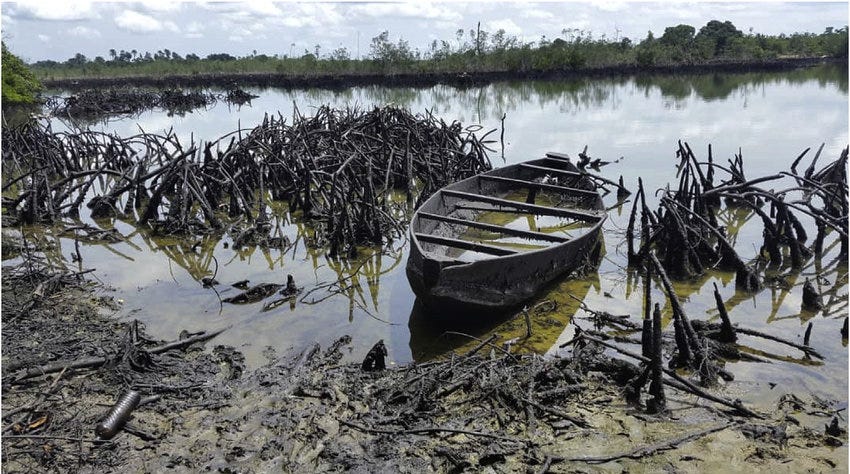
Mangrove forests are amongst the most ecologically productive ecosystems on Earth, as the halophytic (salt-tolerant) marshy woodlands sequester enormous amounts of carbon, protect coastlines from storms and tsunamis, and provide habitats for a diverse array of ocean species. 4
But mangroves occupy prime tropical waterfront real estate. And that geography means they are often destroyed and replaced by fish farms, shrimp farms, oil palm plantations, rice paddies, or tourist infrastructure like hotels and golf courses.5
8. Invasive Species
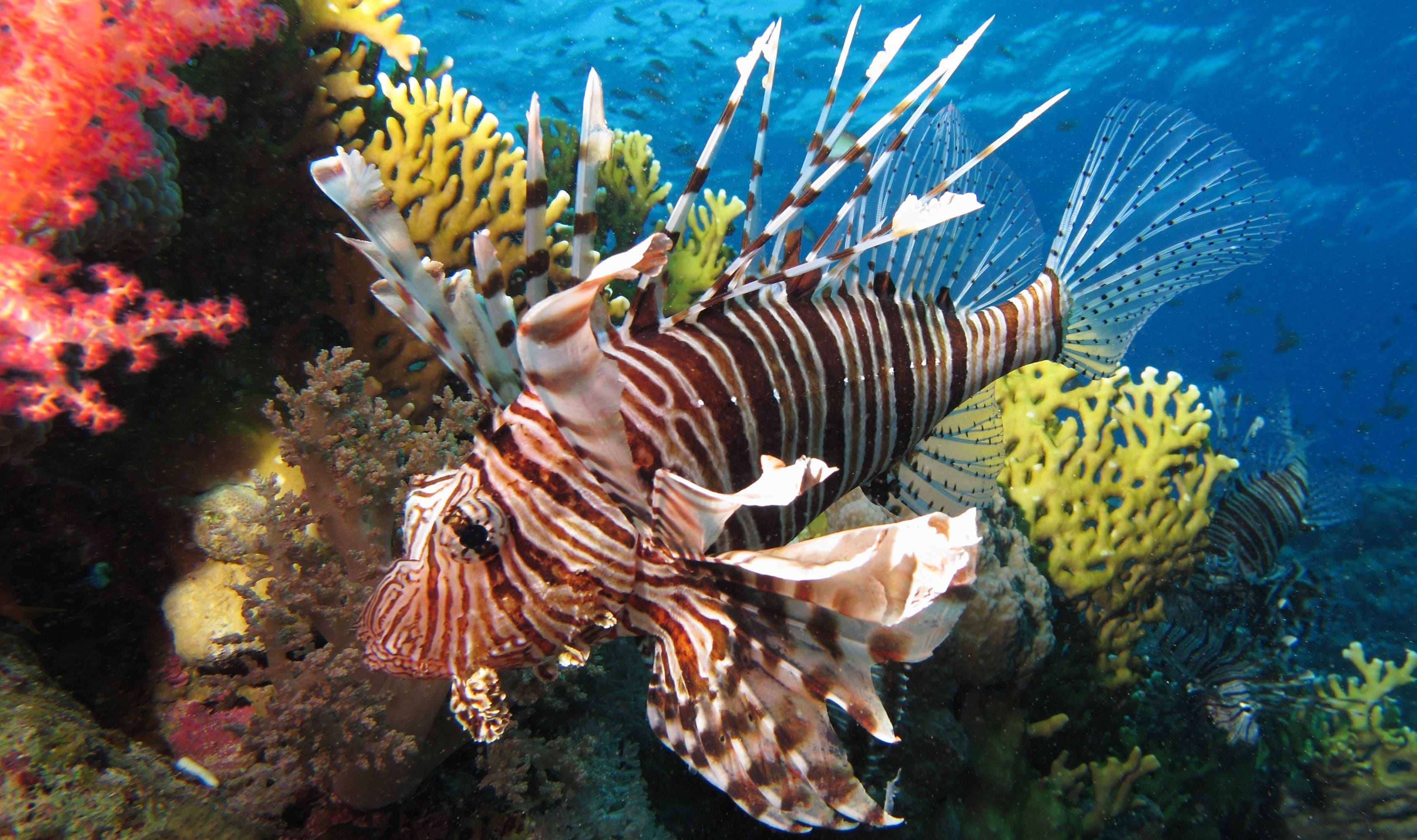
Human dispersal across all six continents has resulted in the introduction of many species from one part of the world to another. Some of these introductions have been benign - but other introduced species cause harm to their new ecosystems and are labelled “invasive”.
The Earth’s oceans are in fact one single interconnected Ocean. Nevertheless, certain species were unable to disperse globally until human intervention via marine shipping. The venomous Lionfish (Pterois miles) is one such example, having escaped its Indian Ocean homeland to outcompete native fish in the Mediterranean and North America.
Amongst the world’s worst invasive species is the Green Crab (Carcinus maenas), which is native to the Northeast Atlantic but has since spread around the world. The Green Crab feeds on young, immature fish and bivalves, negatively impacting fishery health outside of its native range.
7. Chemical Pollution
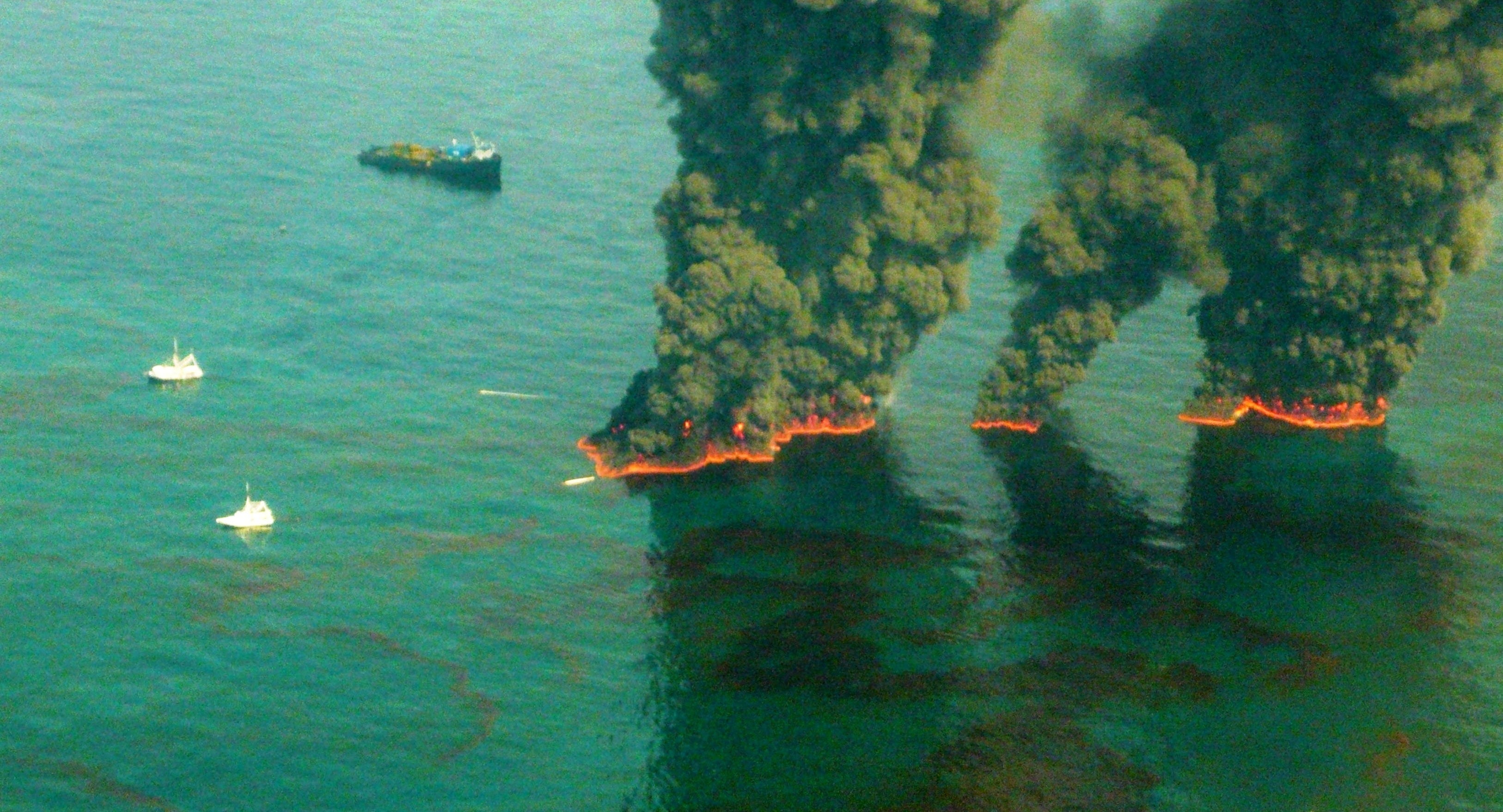
The vastness and lightly-regulated nature of the global ocean system means it is used as a dumping ground for all sorts of waste. This includes dangerous chemicals.
Petroleum products like oil and gasoline are continuously washed into the oceans through stormwater drains. Major oil spills from oil tankers or offshore drilling wells occur regularly as well, highlighting yet another reason (beyond carbon emissions and air pollution) to phase out fossil fuels.
Over 80% of sewage dumped into the ocean is untreated, and this discharge introduces pathogens, pharmaceuticals, and chemicals used in sunscreens, cosmetics and perfumes that can damage fragile marine ecosystems.6
Among the most concerning pollutant is mercury which can enter the ocean directly though wastewater or indirectly via atmospheric deposition. Mercury biomagnifies in the food chain, as larger species consume smaller species and accumulate more and more of the toxic metal.7 A potent neurotoxin, mercury damages the central nervous systems of the exposed species (including humans who eat contaminated seafood.)8
6. Overfishing
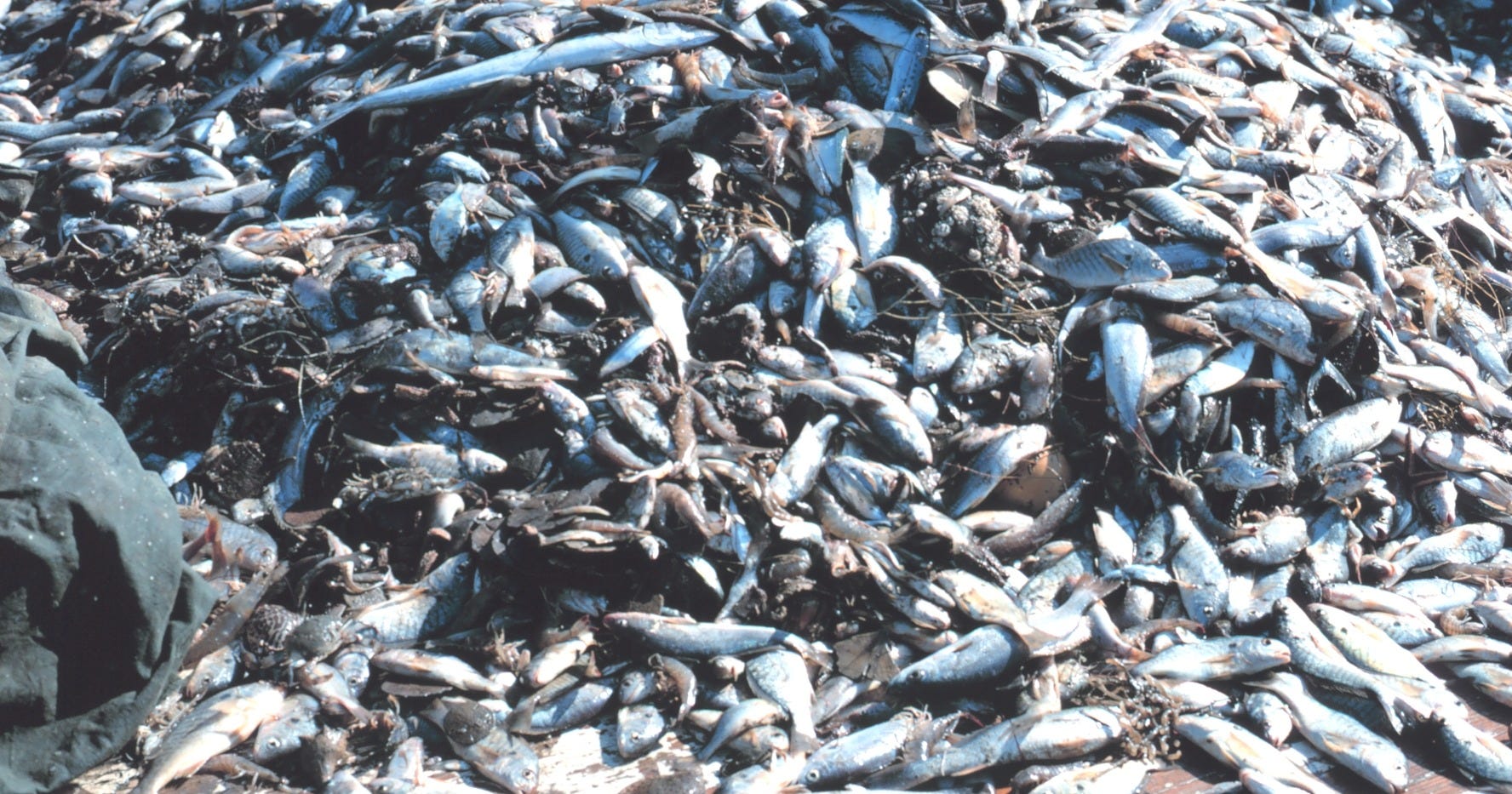
Every year, humans take around 90 million tonnes of fish from the seas and rivers. This massive haul is possible because around one-third of fisheries globally are overfished, meaning their fish stocks are declining due to exploitation outpacing their natural regeneration.
Several countries - including Iceland, New Zealand and the United States - have adopted effective fisheries management practices and seen their fisheries rebound. Such strategies typically include strict quotas, stringent licensing requirements and the creation of marine protected areas where all fishing is banned and threatened populations can find refuge. Yet the developing world lags far behind, and fisheries in international waters are difficult to regulate at all.
Aquaculture - the raising of fish for human consumption in contained pens - has its own environmental problems. But it has nevertheless relieved pressure on wild fisheries and overtook the wild catch in tonnage for the first time in 2024.
5. Ocean Acidification
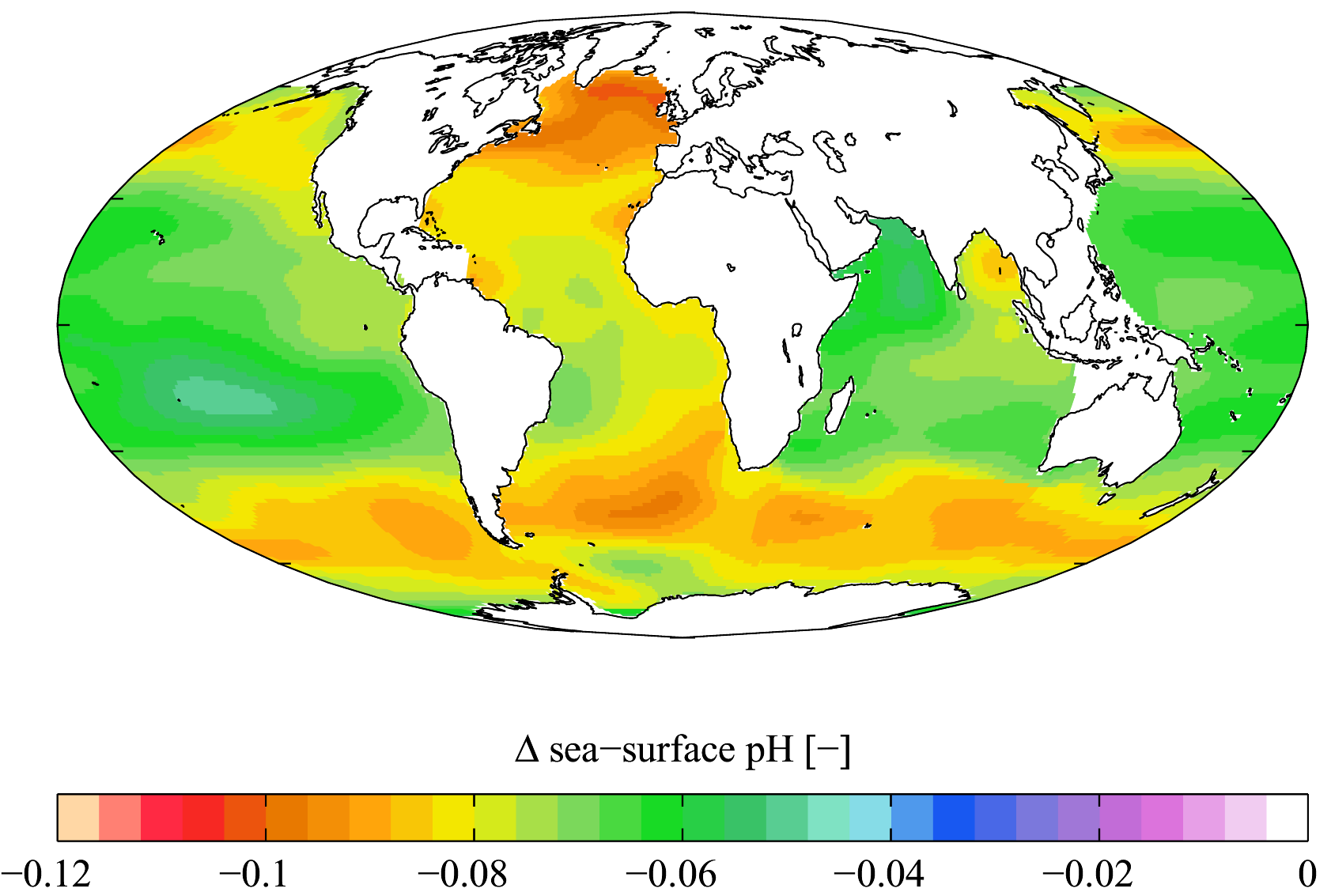
In addition to climate change, global CO2 emissions create an altogether separate problem in the oceans. Between one-quarter and one-third of CO2 emissions are absorbed by the oceans. Here, the CO2 dissolves and reacts to form carbonic acid (the same acid used to carbonate colas and other soft drinks), which in turn dissipates and acidifies the surrounding water.
Put simply, the oceans are - very gradually - turning into stale soda water. Their acidity has already increased 30% since the pre-industrial era, and will continue increasing until carbon emissions are stopped.9 More acidity makes it harder for calcifying organisms like coral and shellfish to form and maintain their shells, threatening their survival and the survival of any species that relies on them for food.
4. Agricultural Runoff
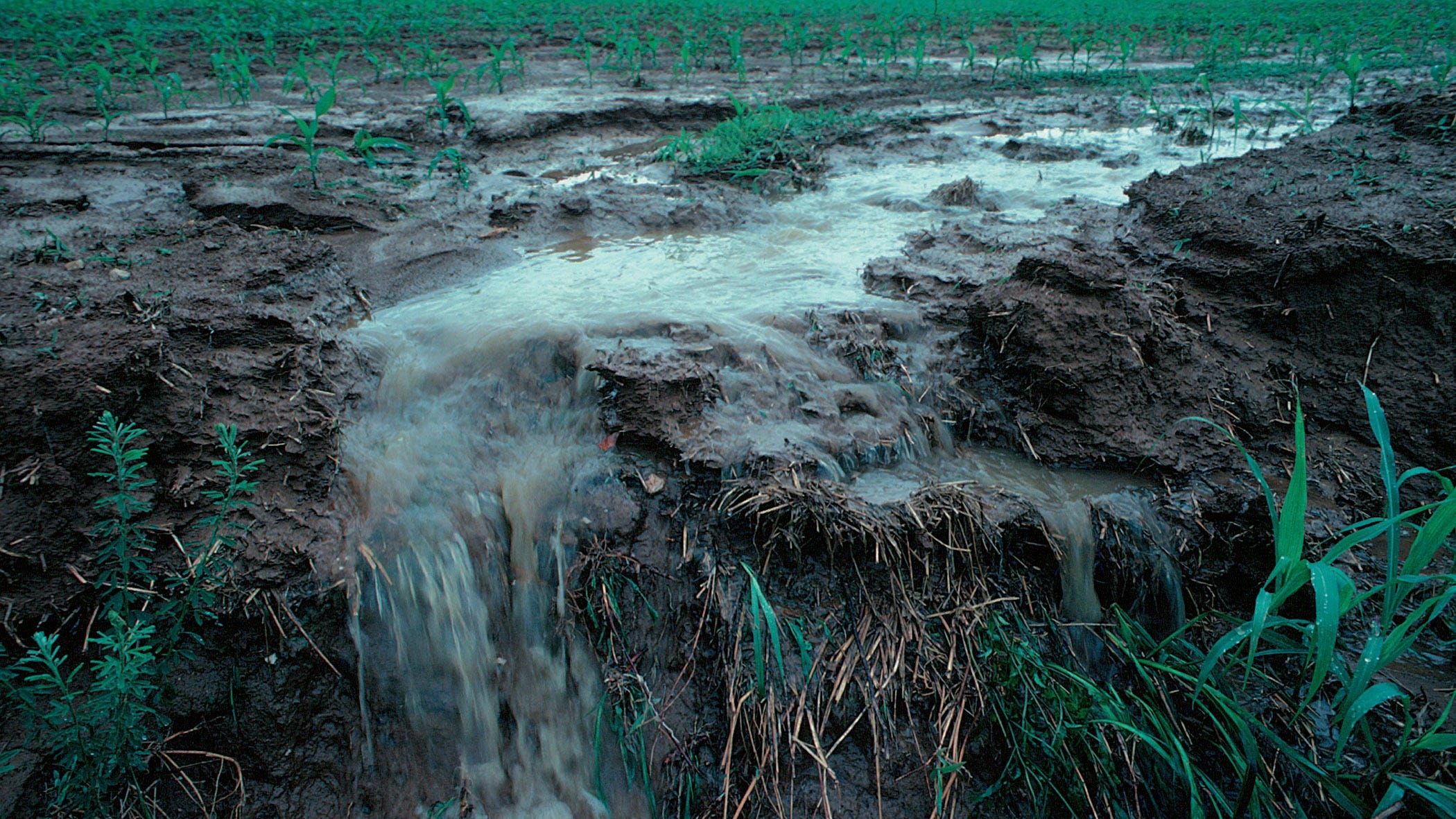
Almost unimaginable amounts of agricultural runoff empty into the oceans every year and dump damaging nutrient pollution, pesticide residue, and sediment into marine ecosystems.
Fertilizers create nutrient pollution, which in turn feeds massive algal blooms near estuaries. This algae overgrowth eventually leads to hypoxic dead zones - as algal decomposition consumes all the surrounding oxygen. These “dead zones” - the most famous of which is in the Gulf of Mexico where the Mississippi River dumps its runoff- suffocate all life in the area.
Pesticides and herbicides cause further damage. Even at low concentrations they impair the growth, reproduction, and navigation of marine animals.
3. Coral Bleaching
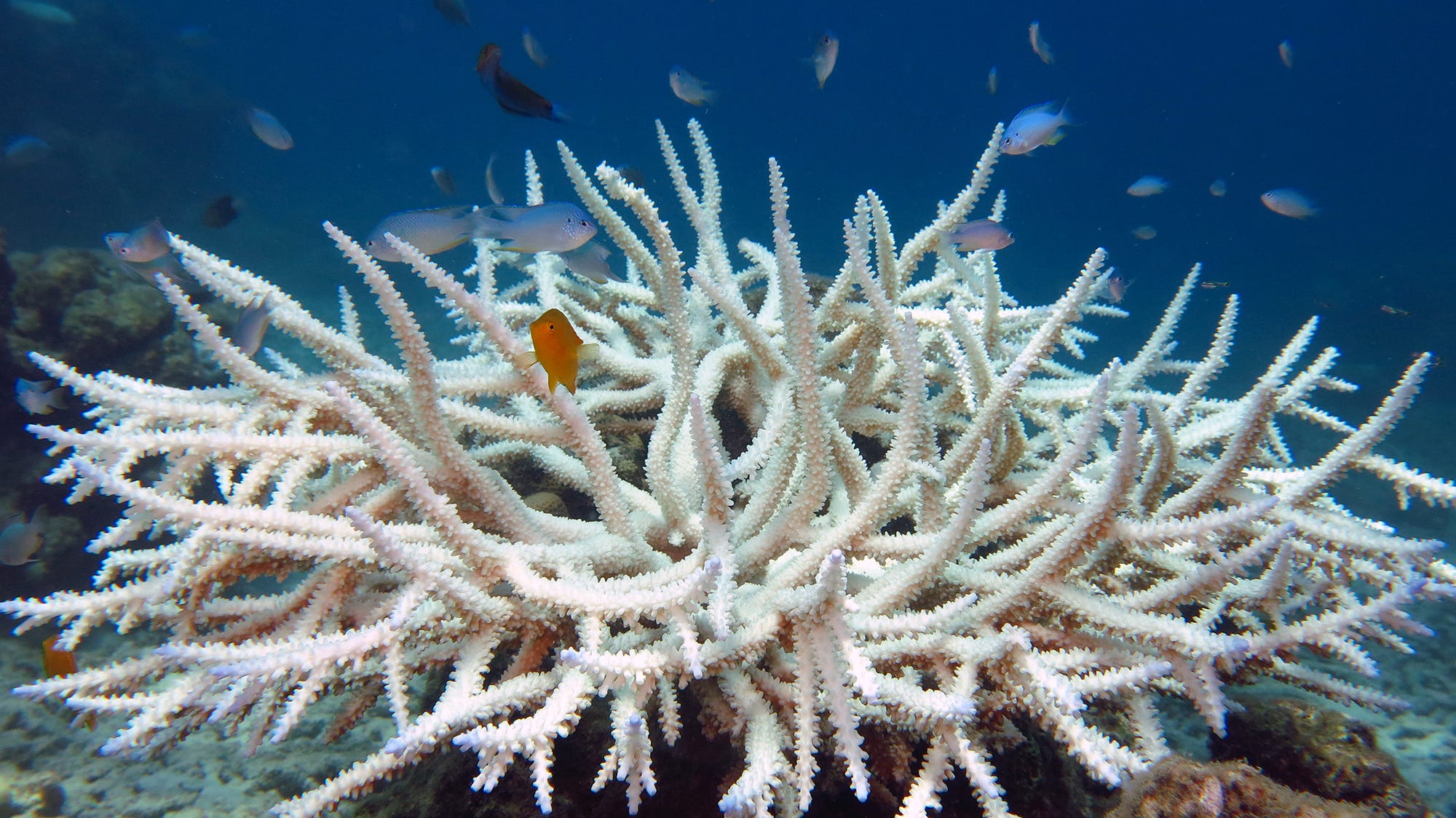
Coral reefs are among the most successful, diverse ecosystem type in the world. But they are also one of the most vulnerable. Coral systems are extremely sensitive to temperature variation, for example, and are unable to tolerate even small changes.
Corals acquire their color and food by hosting various types of algae. But above a certain temperature, these algae malfunction and produce toxic chemicals. When this occurs, the coral expels the algae, which causes it to lose its color, giving it a white, ‘bleached’ appearance.
Bleached coral does not die immediately. But as algae are responsible for the coral’s food production, it will eventually succumb to starvation unless temperatures fall and it is able to acquire new, productive algae. As climate change drives longer and hotter heat waves, coral reefs are at increased risk.
2. Plastic Pollution
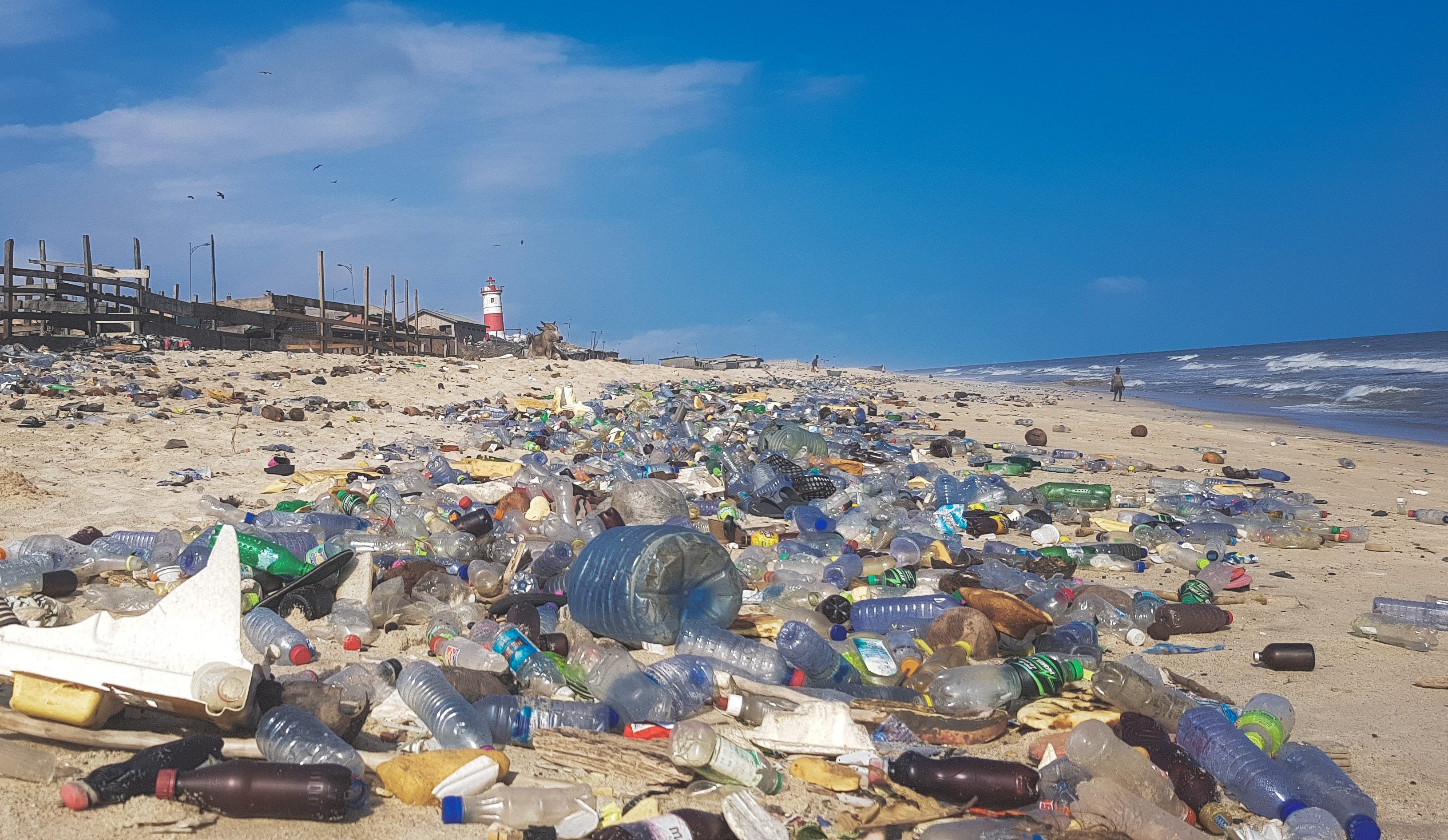
An estimated 8 million tonnes of plastic waste end up in the ocean every year, most of it dumped into rivers and subsequently washed into the open sea.10
The effects are not good. Discarded plastic fishing gear entangles marine animals, particularly large mammals like dolphins. Animals like turtles also mistake plastic for food sources like jellyfish, and are injured or killed by its ingestion. Microplastics invade nearly every species, with unknown effects. And toxic chemicals built into the plastics leach out into the food chain. Plastic pollution even worsens the invasive species problem as marine organisms can use plastic debris as ‘rafts’ to transit to new territories.
Better collection and storage of plastic waste in landfills can help. But a global treaty to limit plastic pollution will probably be necessary to address the scale of the problem.
1. Climate Change
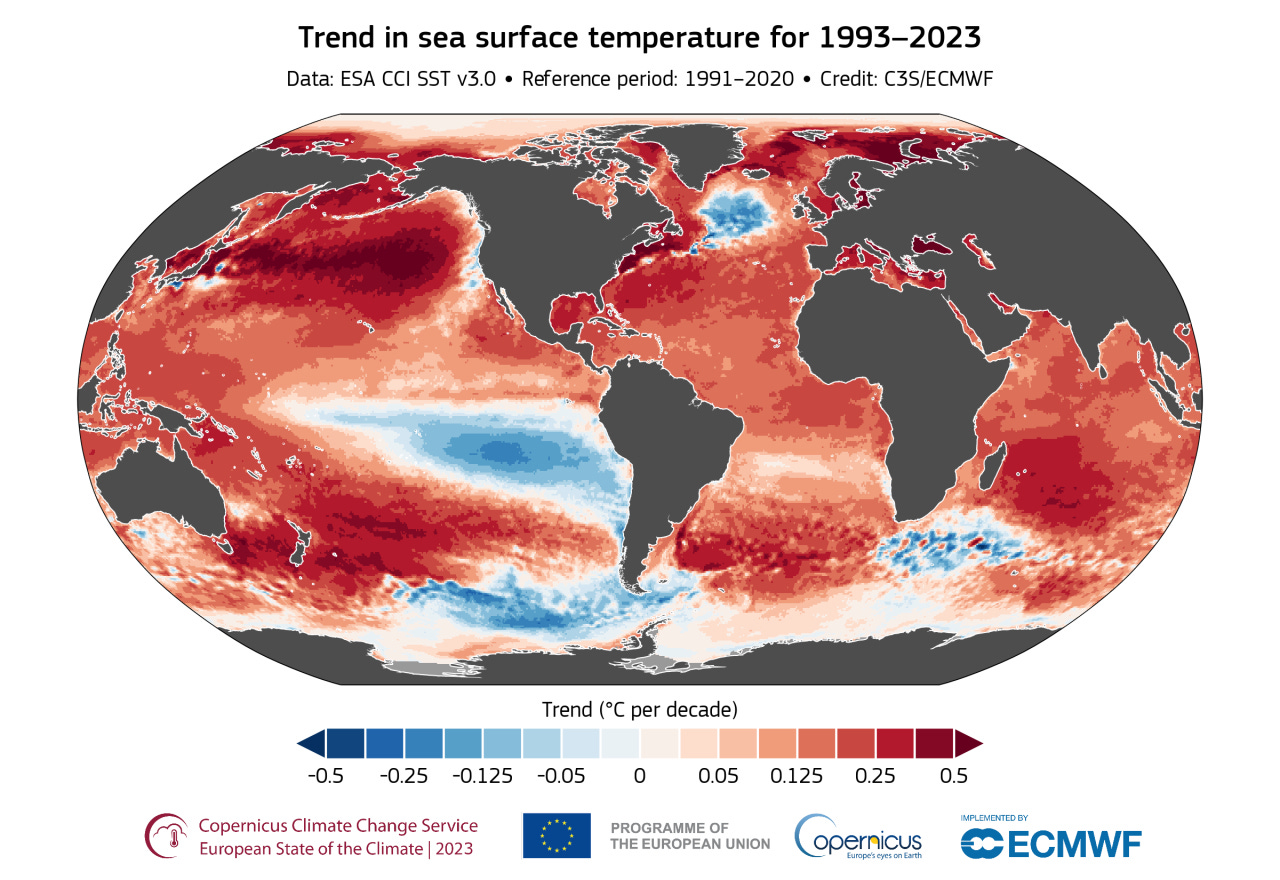
Amid depressingly strong competition, climate change nevertheless takes the crown for the single greatest environmental threat facing the Earth’s oceans.
Aside from the destruction of coral reefs (described above), the biggest danger is the high temperatures scrambling distribution ranges. Some species might simply migrate toward the poles and suffer no ill effects. But others, like coral, are not capable of migration. And some cold-water species - like crab in the Bering Sea - have nowhere colder to go. Many others will have their seasonal migration and feeding patterns disrupted. What happens if one species doesn’t migrate, but it’s primary food source does?
Hotter water also holds less dissolved oxygen than colder water, making life harder for marine animals everywhere to survive. It also demands a higher metabolic rate than colder water, forcing species to eat more. Warmer water is also more favorable to bacteria, forcing more complex marine life to deal with an increased disease burden.