

The 12 Largest Rivers in the World

The great rivers of the world are the arterial lifeblood of terrestrial ecosystems and the human civilizations we have built upon them.
Here are the world’s twelve largest rivers by discharge (volume of water expelled):
12. Irrawaddy
Discharge: 15,112 m3/s
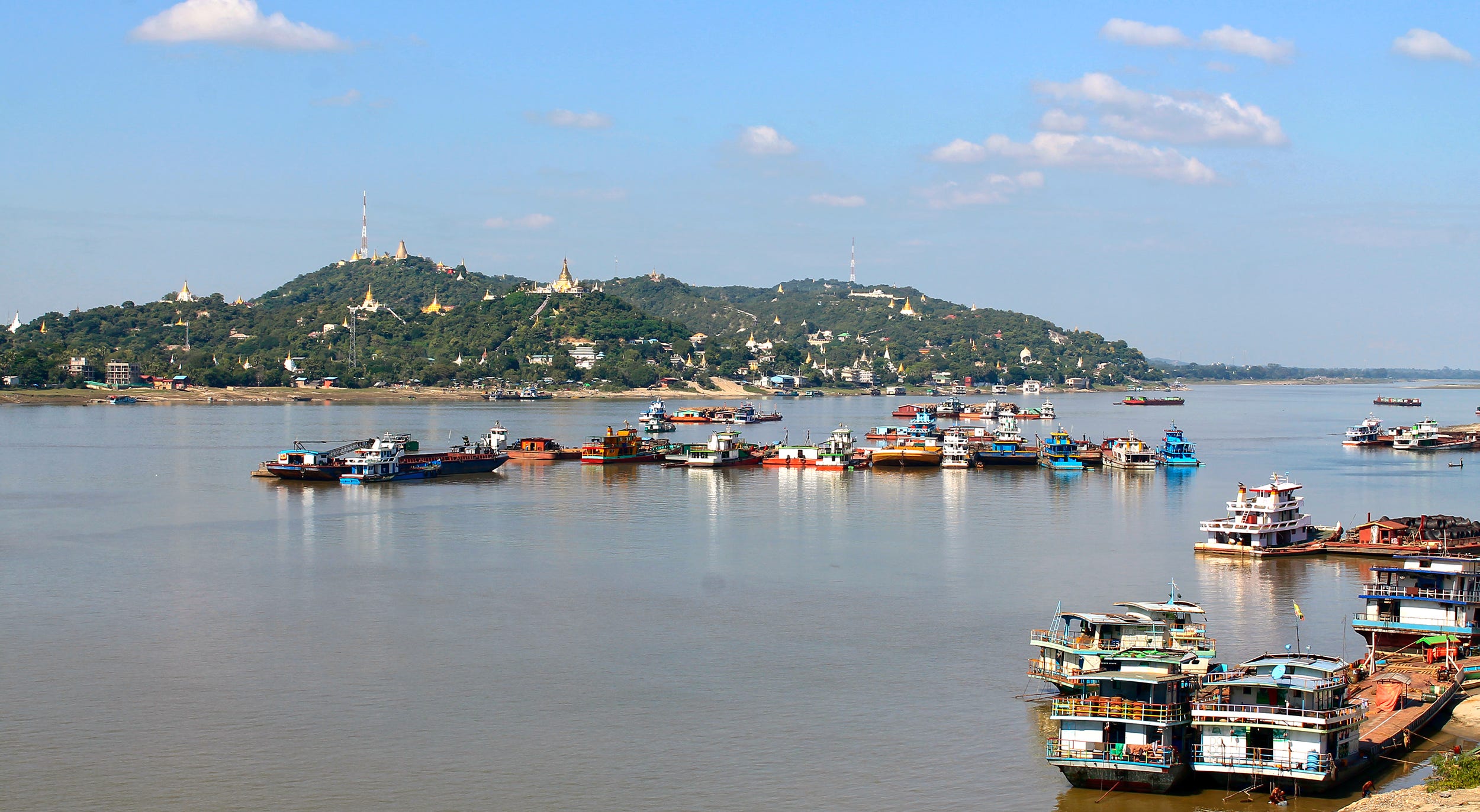
The majestic Irrawaddy is synonymous with the modern nation-state of Burma (Myanmar). Meandering from its source in the Himalayas to the Andaman Sea, its basin forms the agricultural core of the country.
Despite the development of highways and rail, the Irrawaddy remains an indispensable conduit for passenger and cargo transport. It was poetically referred to as the ‘Road to Mandalay’ (Burma’s capital) by Rudyard Kipling in an 1890 poem.
11. Mekong
Discharge: 15,896 m3/s
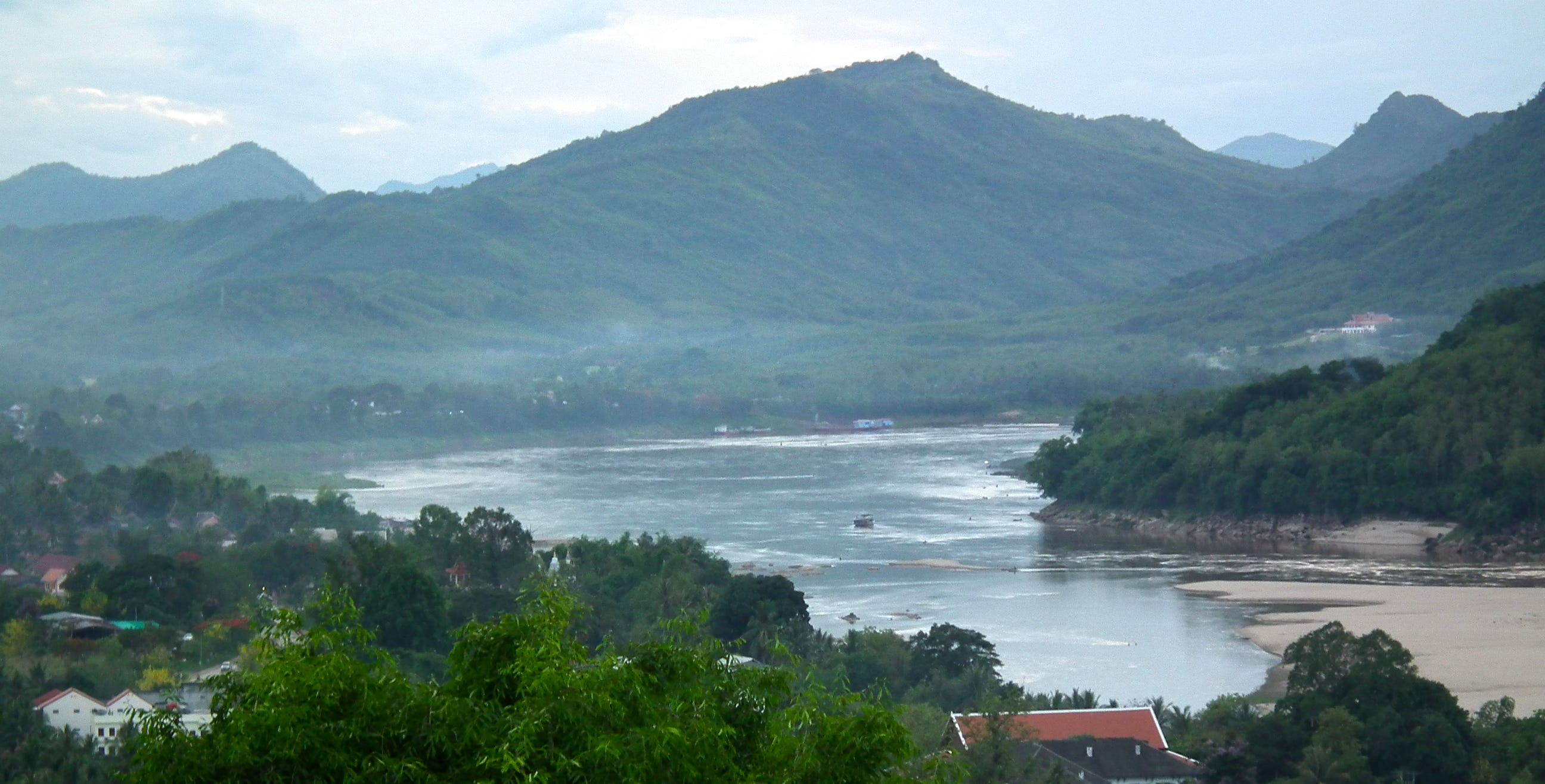
Originating on the Tibetan Plateau, the Mekong courses its way through Southern China before connecting the Southeast Asian nations of Vietnam, Thailand, Laos, and Cambodia.
Its delta in Vietnam was once a biodiversity hotspot, but is now intensively farmed and severely vulnerable to climate change and associated sea-level rise.
10. St. Lawrence
Discharge: 17,600 m3/s
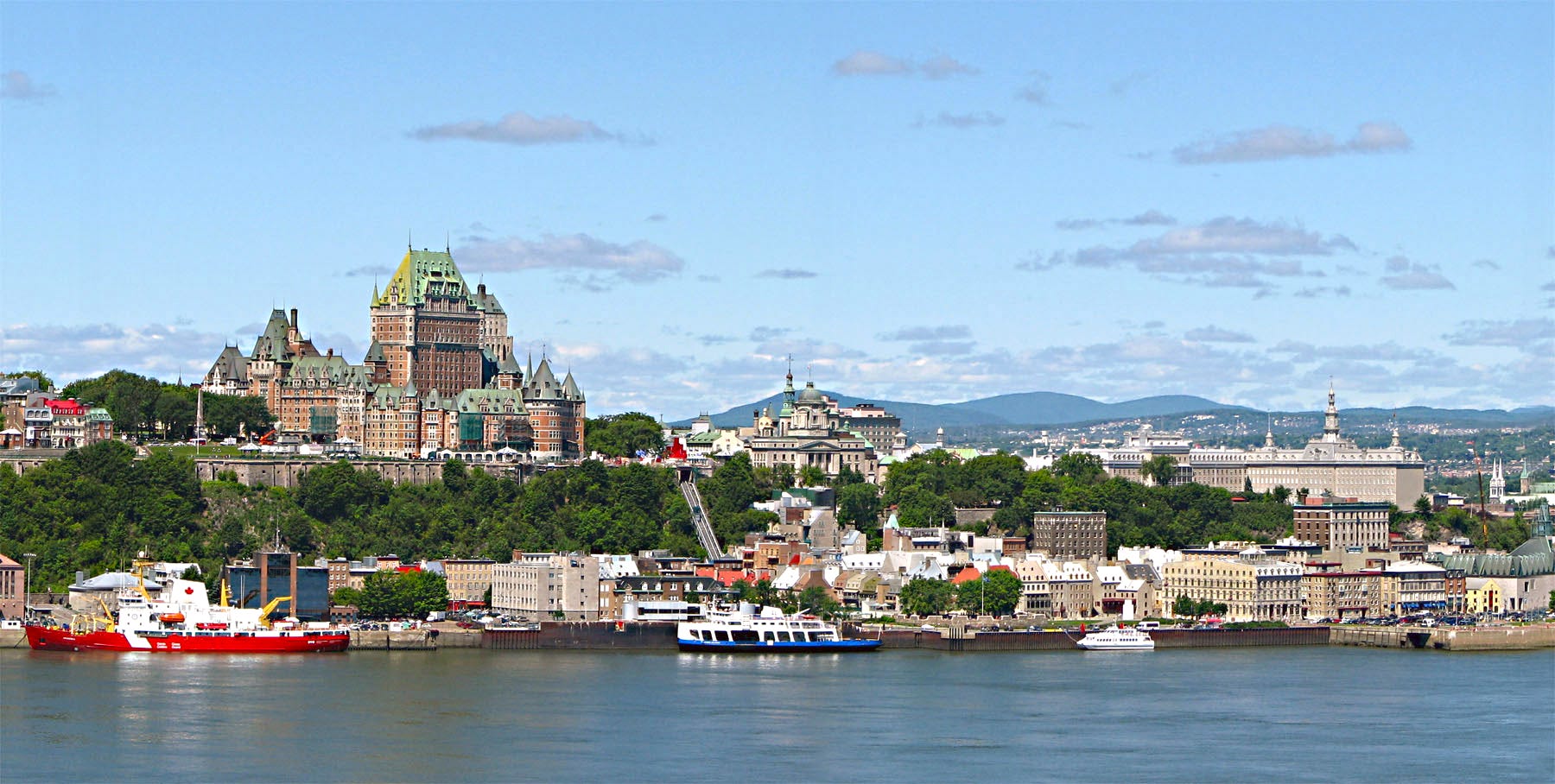
The St. Lawrence River abuts the industrial heartland of the United States and Canada. Its seaway - a combination of the natural river and a system of artificial locks and canals constructed in the mid 20th century - connects the Great Lakes to the Atlantic Ocean.
The St. Lawrence’s watershed contains 60% of Canada’s GDP, a quarter of the United States’ GDP, and the globally important cities of Chicago, Toronto, Detroit, and Montreal.
9. Lena
Discharge: 18,300 m3/s
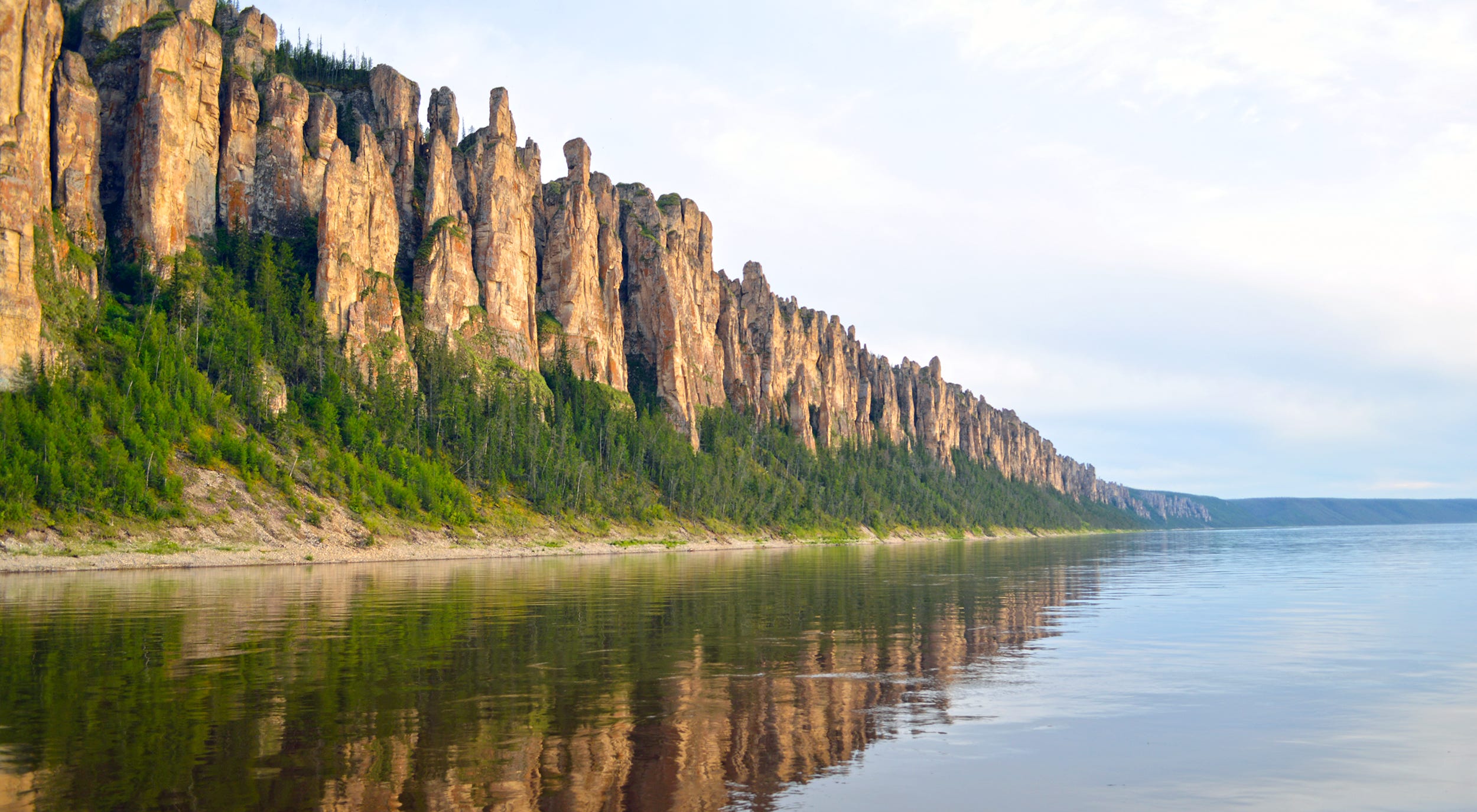
The vastness of Siberia contains two of the largest yet least-known river systems in the world. The Lena originates in the mountains directly next to Lake Baikal and travels 4,294 km (2,668 mi) to its outlet on the Arctic Ocean.
75% of its course is surrounded by frozen permafrost. The world’s coldest major city - Yakutsk - lies along its banks. Exiled to Siberia as a young man, Soviet revolutionary Vladimir Ilyich Ulyanov may have taken his alias, Lenin, from the river.
8. Yenisei
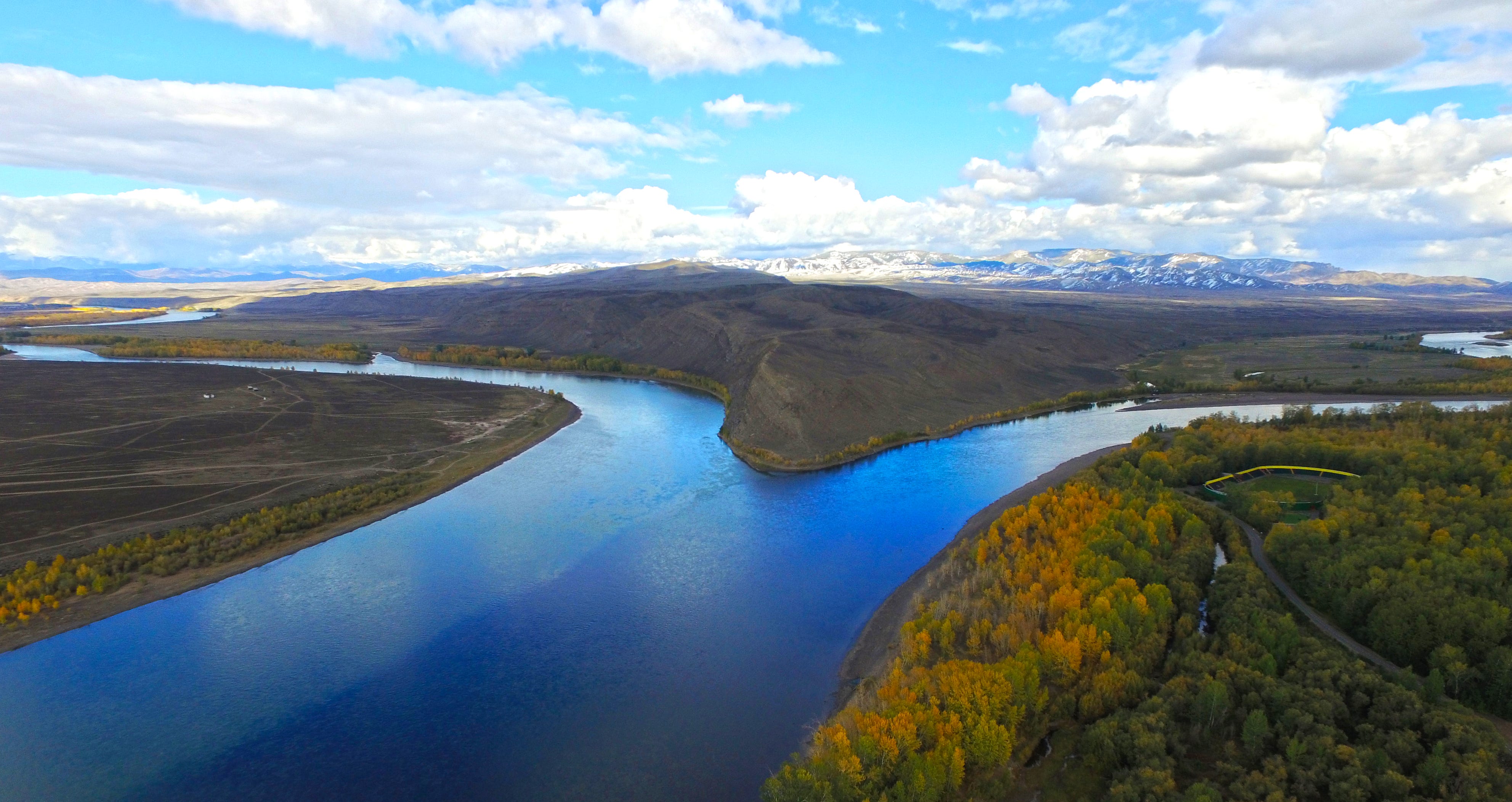
Discharge: 20,200 m3/s
From its source in Mongolia, the formidable Yenisei flows 3,487 km (2,157 mi) to its outlet in the Arctic Ocean. Within its basin lie the Mongolian capital of Ulaanbaatar, the historic city of Irkutsk, and Norilsk, one of the world’s largest mining centers.
Its middle reaches are heavily industrialized and polluted, while its extremities remain untapped wildernesses. The first attempt to navigate its entire course occurred only in 2001.
7. Mississippi
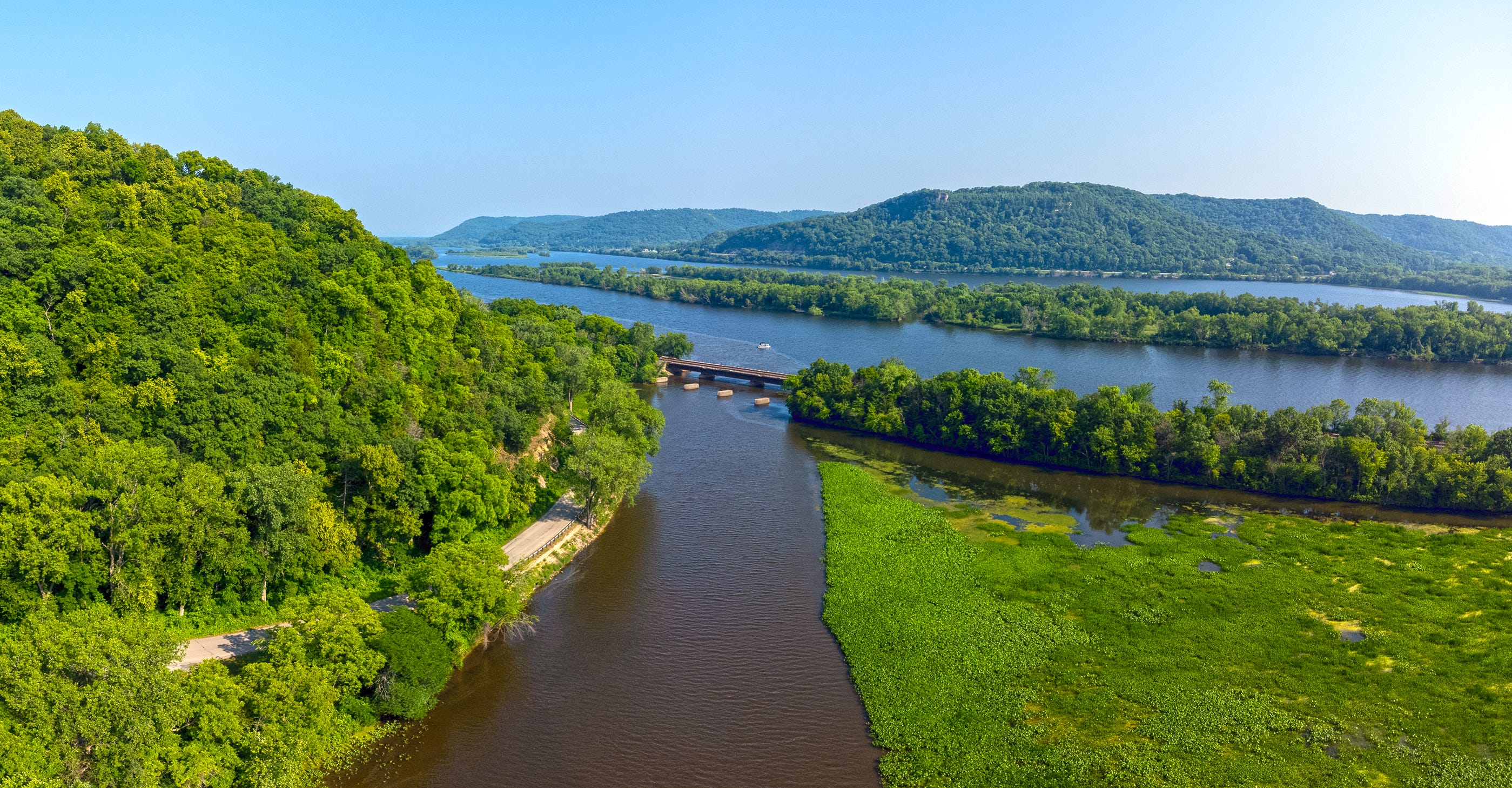
Discharge: 21,300 m3/s
The ‘Mighty’ Mississippi is the primary river of the United States. Its drainage basin includes the world’s largest and most productive agricultural zone along with iconic American cities like New Orleans, Memphis, St. Louis, Kansas City, Nashville, Louisville, Cincinnati, and Minneapolis.
The river was once the economic highway of the United States, providing transport deep into the nation’s interior. Its importance has declined since the age of rail, but still moves 60% of the nation’s grain exports.
Be sure to sign up to get Earthview in your inbox:
And consider a paid subscription to get premium analysis and support the work we’re doing!
6. La Plata
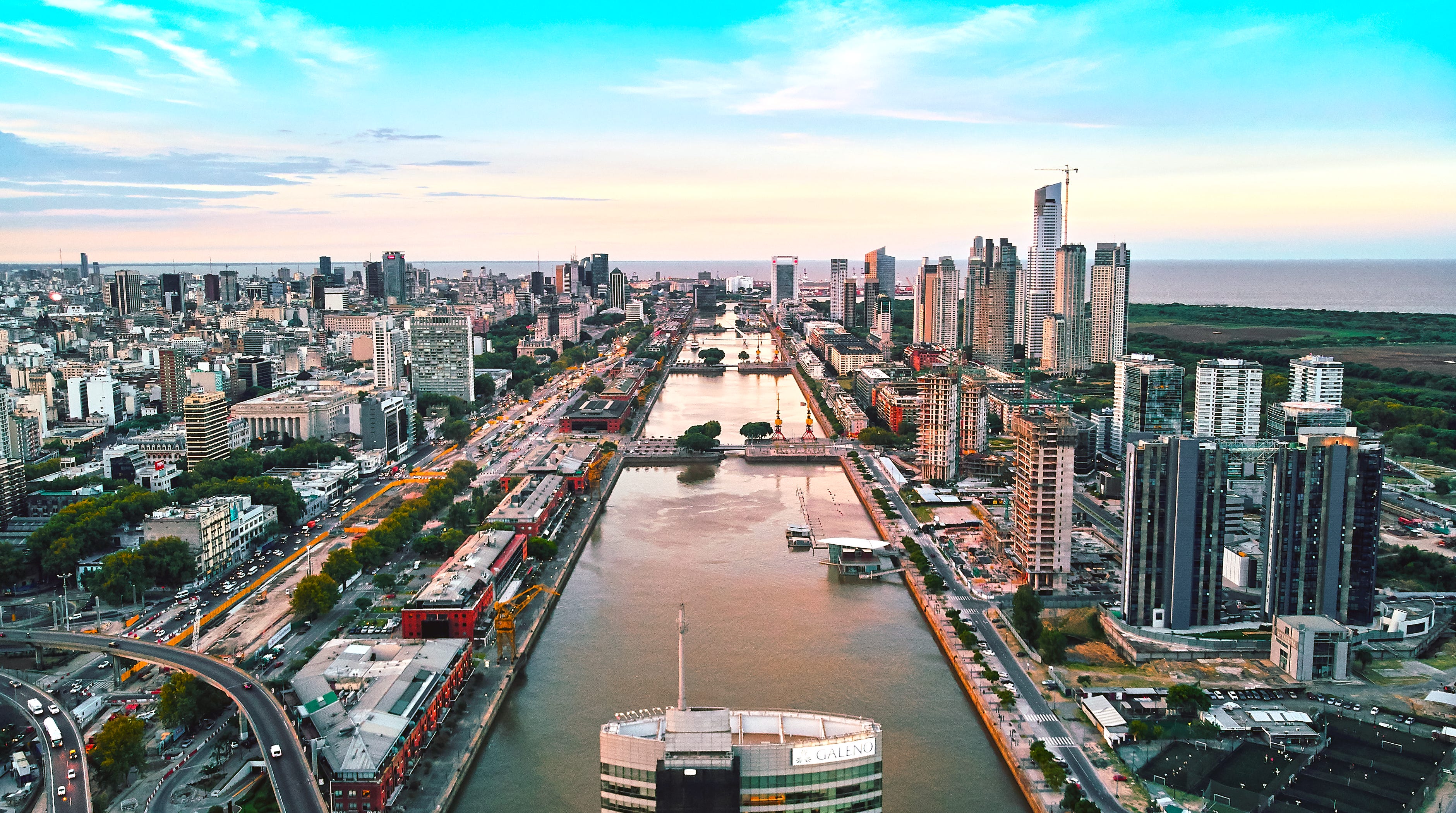
Discharge: 27,225 m3/s
The La Plata River is actually an estuary formed by the confluence of its two largest tributaries, the Uruguay River and the Paraná as they converge into the Atlantic Ocean.
Within its basin lies about one quarter of South America’s land area and four national capitals: Buenos Aires, Montevideo, Asunción, and Brasilia.
5. Yangtze
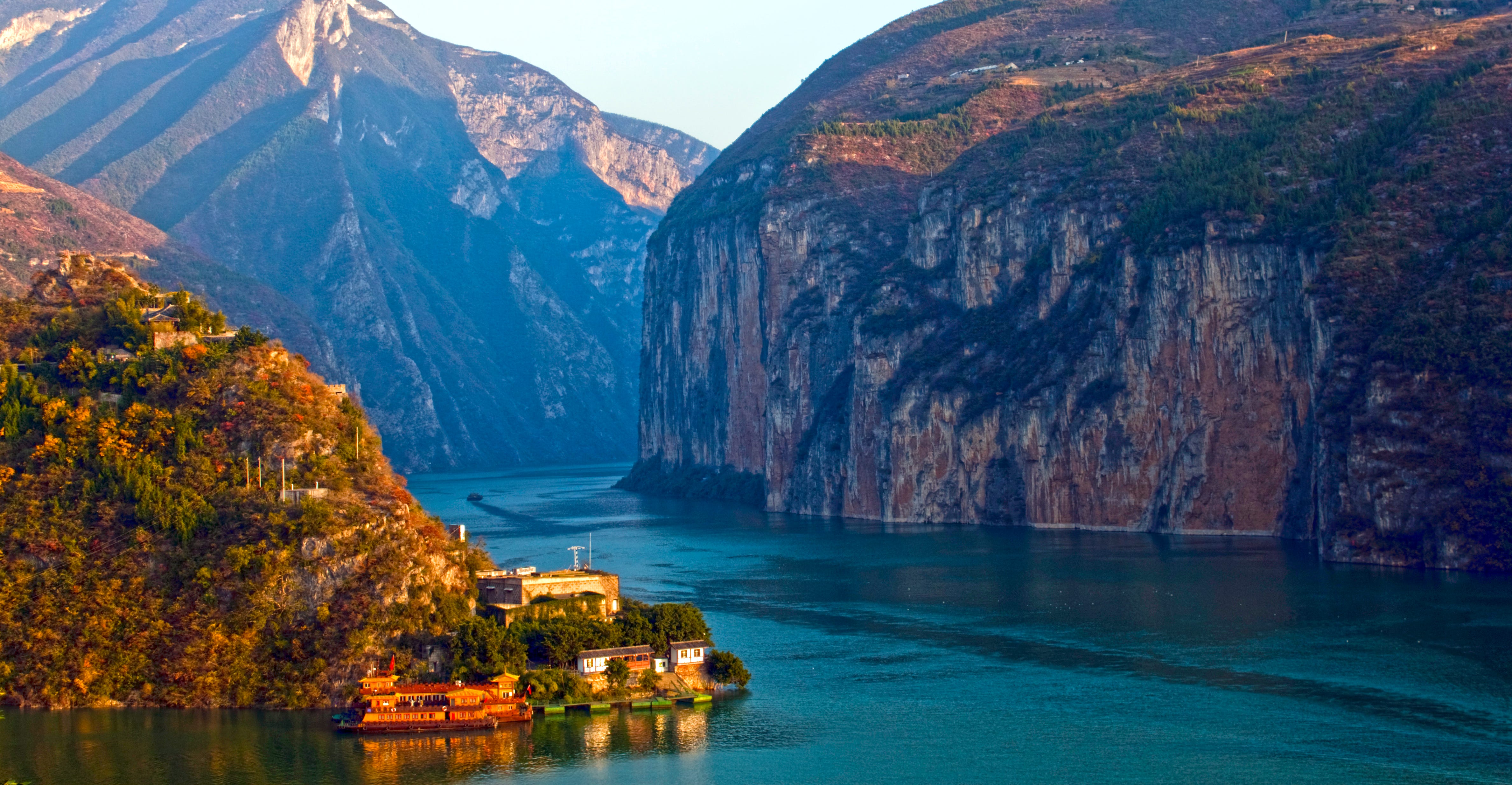
Discharge: 31,900 m3/s
The Yangtze River finds its source in the Tibetan plateau and then winds throughout a large swath of Central China. Within its drainage basin lies 21% of China’s land area, 45% of its GDP, and massive cities like Lijiang, Chengdu, Chongqing, Wuhan, Nanjing, and Shanghai.
The largest hydroelectric dam in the world - the Three Gorges Dam - is also along its course, generating a massive 101.6 TWh of electricity a year (equivalent to about 1/3 the UK’s total generation).
4. Orinoco
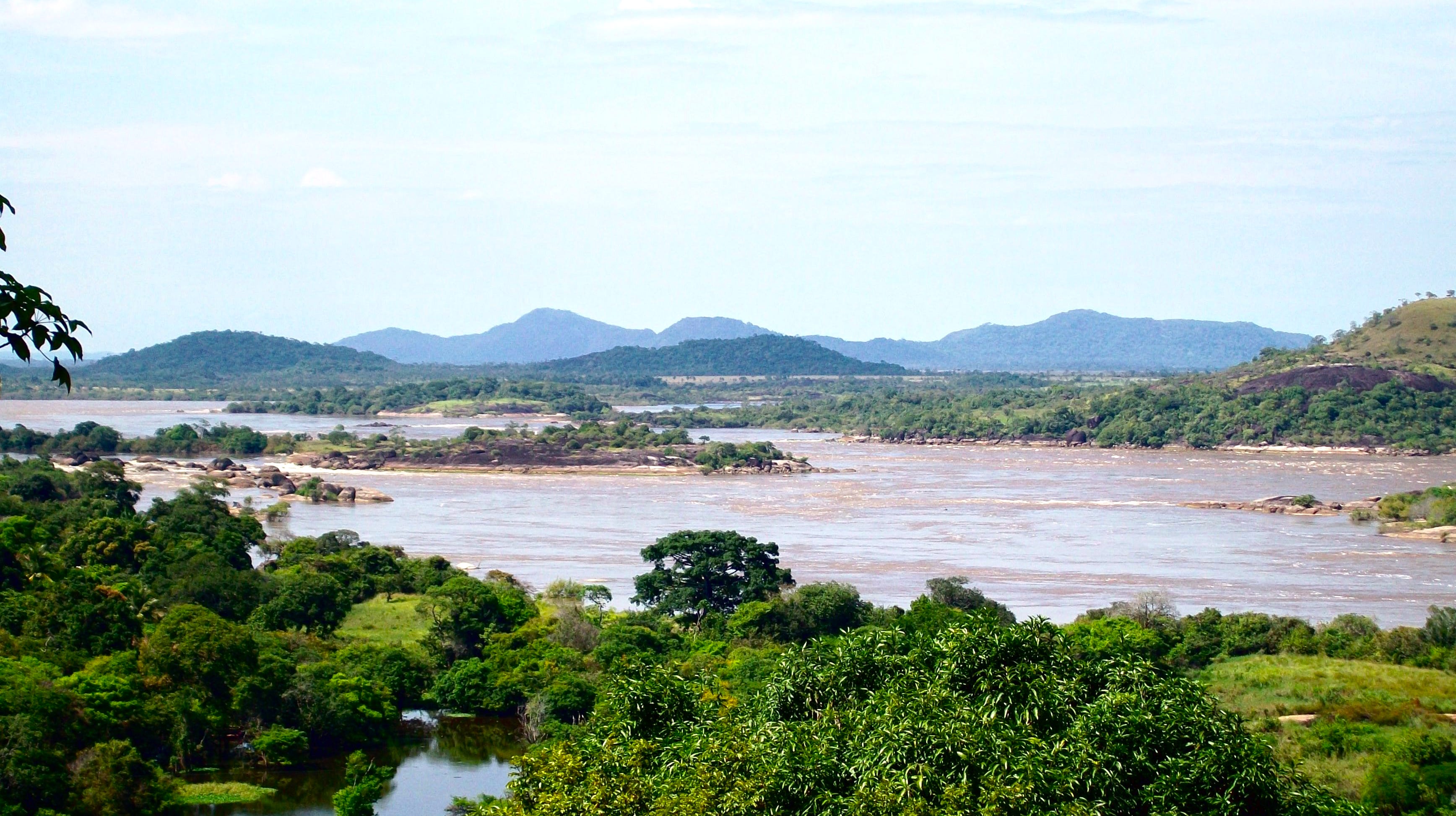
Discharge: 39,000 m3/s
The Orinoco River’s drainage basin makes up most of Venezuela and much of Colombia. Often overshadowed by the Amazon to the south, the Orinoco nevertheless carries much the same ecological diversity and importance.
Most of this diversity lies in The llanos, a massive plain of tropical grasslands east of the Andes. But the Orinoco’s tributaries wind into rainforest further south, and are even connected to the Amazon basin by a small natural canal called the Casiquiare, which allows species like Amazon River Dolphin (Inia geoffrensis) to migrate between the two ecoregions.
3. Congo
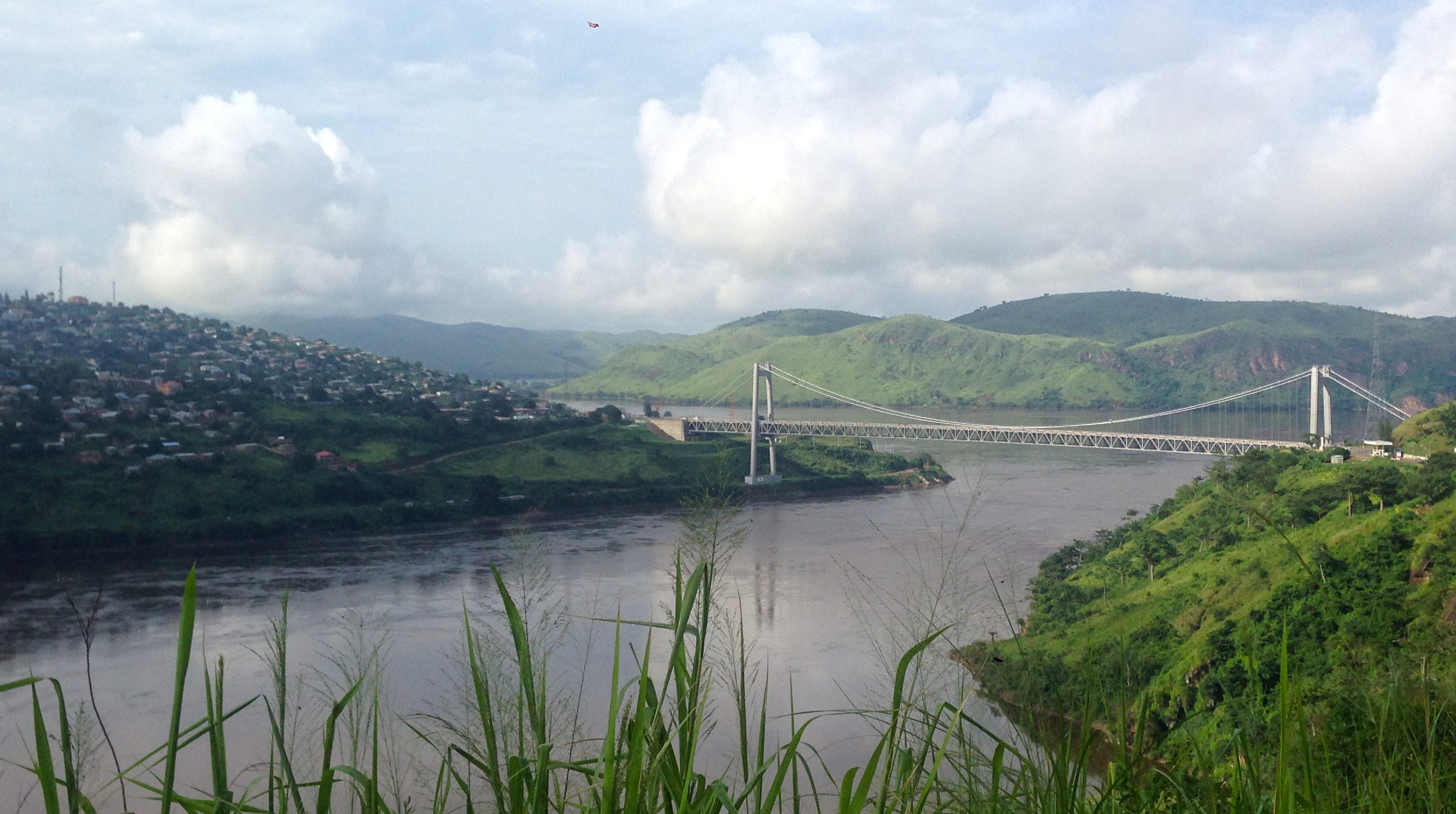
Discharge: 41,400 m3/s
An area of Central Africa the size of Europe drains into the Congo River, which twists through the Congo Rainforest (the world’s second largest) into the Atlantic Ocean. It was in this basin that Joseph Conrad set his anti-colonial novel Heart of Darkness. The region remains amongst the poorest in the world and mired in conflict.
Two modern nation-states take their name from the river - the Democratic Republic of the Congo (DRC) and the Republic of Congo. Their capitals (Kinshasa and Brazzaville, respectively) face one another on opposite sides of its lower reaches, which forms the boundary.
2. Ganges
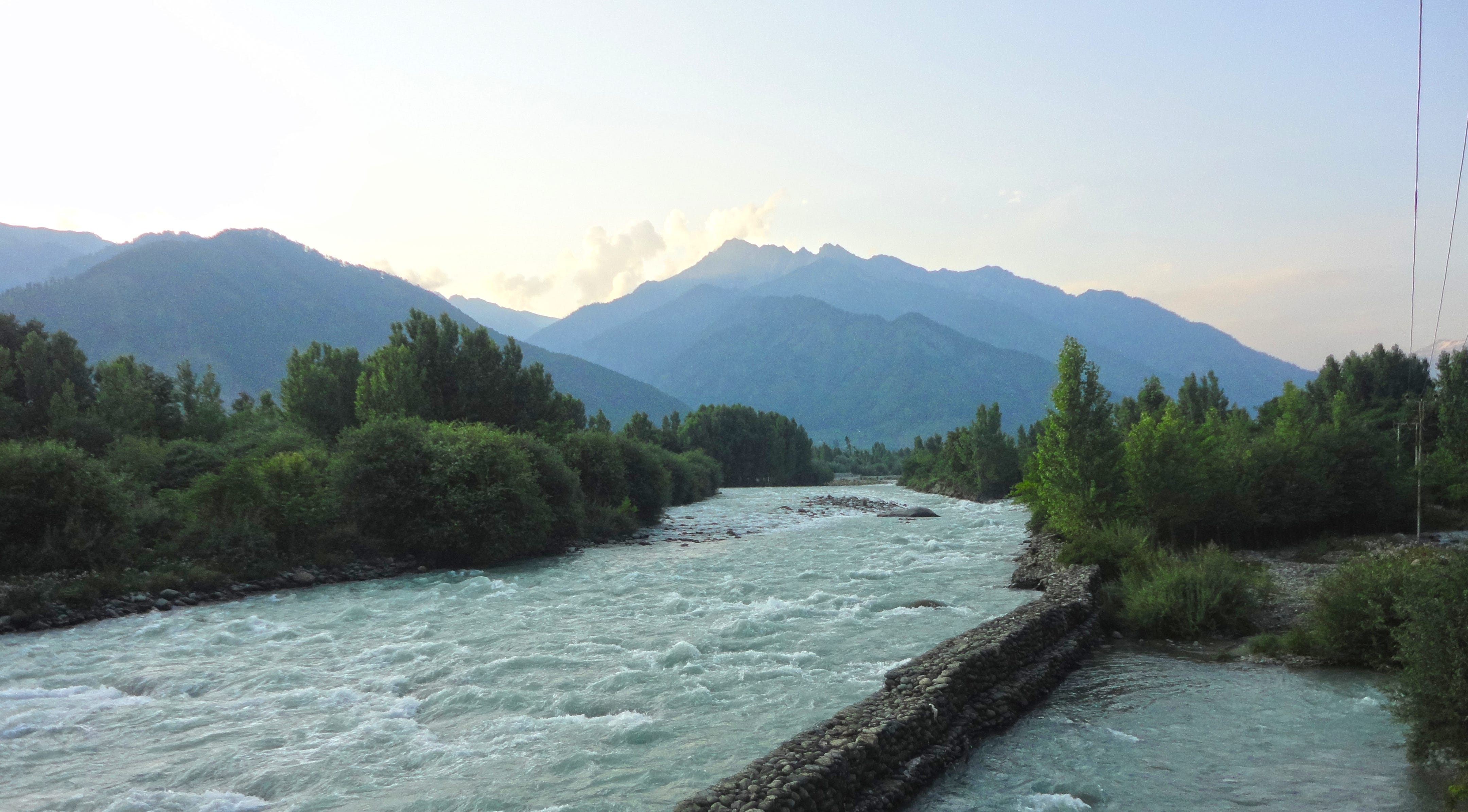
Discharge: 42,800 m3/s
Flowing from the Himalayas, through the heartlands of India and Bangladesh, and into the Bay of Bengal, the Ganges has been at the center of civilization in South Asia for thousands of years.
Hundreds of millions of people rely on it for irrigation, drinking water, waste removal, and transport. It is the most sacred river in Hinduism and worshiped as a personified goddess named Ganga.
1. Amazon
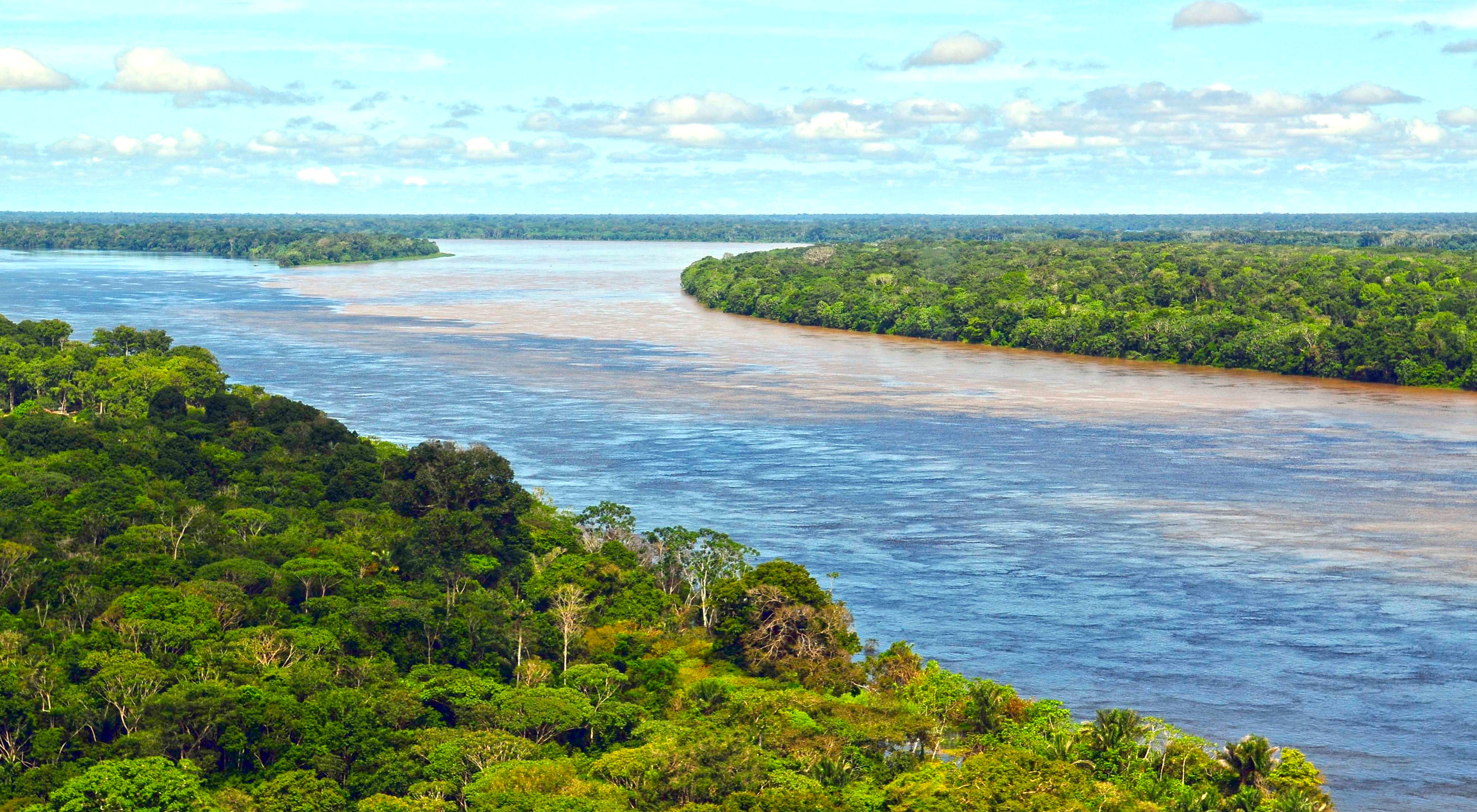
Discharge: 224,600 m3/s
When it comes to the world’s most important rivers: there is the Amazon, and then there is everybody else. At a staggering 224,600 m3/s, the Amazon has a larger discharge than the next seven rivers on this list combined. This figure represents 20% of all global riverine discharge into the oceans.
Split between Peru, Colombia, Ecuador, Venezuela, and Brazil, the Amazon basin is the beating heart of the Amazon Rainforest - also the largest of its kind in the world.
Be sure to sign up to get Earthview in your inbox:
And consider a paid subscription to get premium analysis and support the work we’re doing!