

12 Coolest Great Barrier Reef Species

The Great Barrier Reef is one of Australia’s greatest natural treasures and is visited by millions every year.
Here are 12 of the coolest species found on the Great Barrier Reef:
12. Potato Grouper
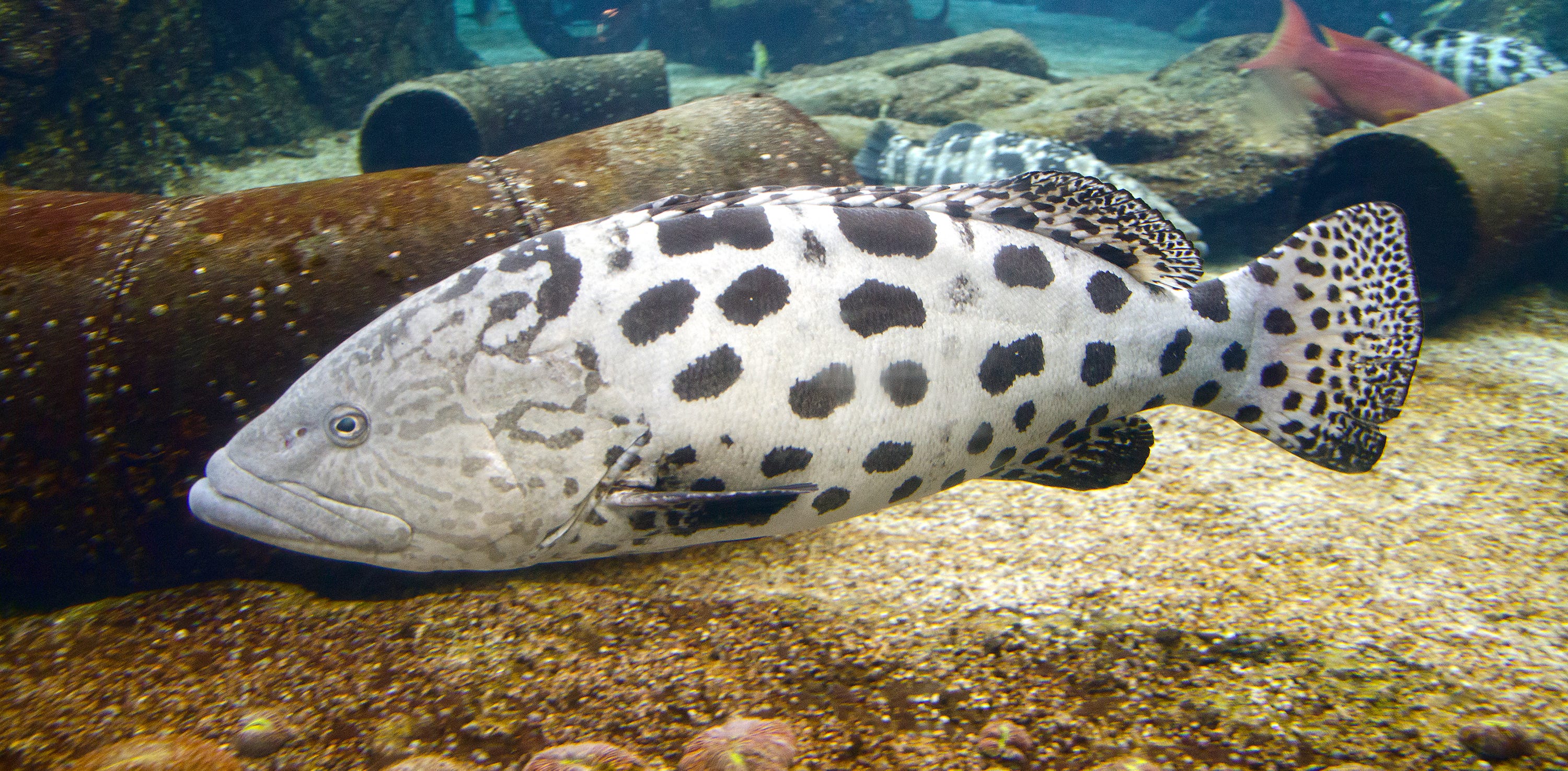
The Potato Grouper (Epinephelus tukula) is an ambush predator that hides among the coral for cover and then lunges to swallow its prey whole. Reaching a size of up to 1 meter (39 inches), the black-spotted predator devours small rays, crabs, squid, octopodes and spiny lobsters.
11. Mushroom Coral
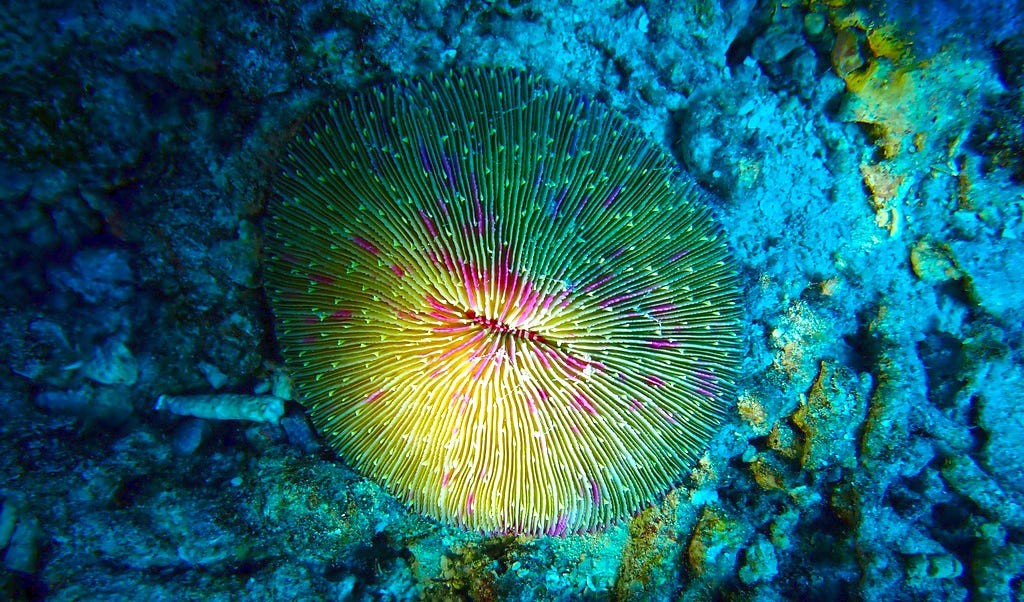
Mushroom Coral (Fungiidae fam.) are a diverse group of corals that contain thirteen extant genera. They are typically solitary animals, that live apart from the larger reef.
10. Humphead Wrasse
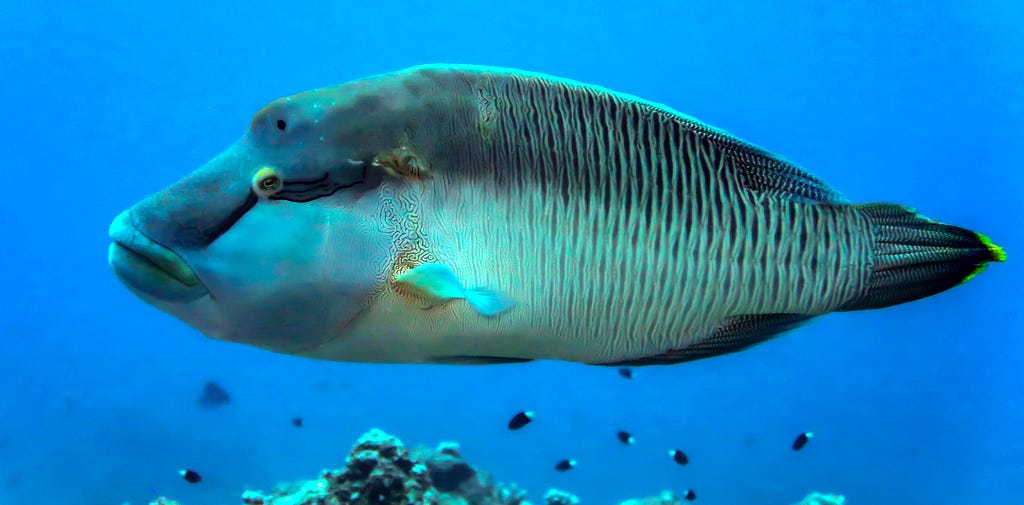
The Humphead Wrasse (Cheilinus undulatus) is the largest fish in the wrasse family, reaching up to 2.5m (8.2 ft) long. It feeds on small invertebrates like mollusks and starfish.
9. Table Coral
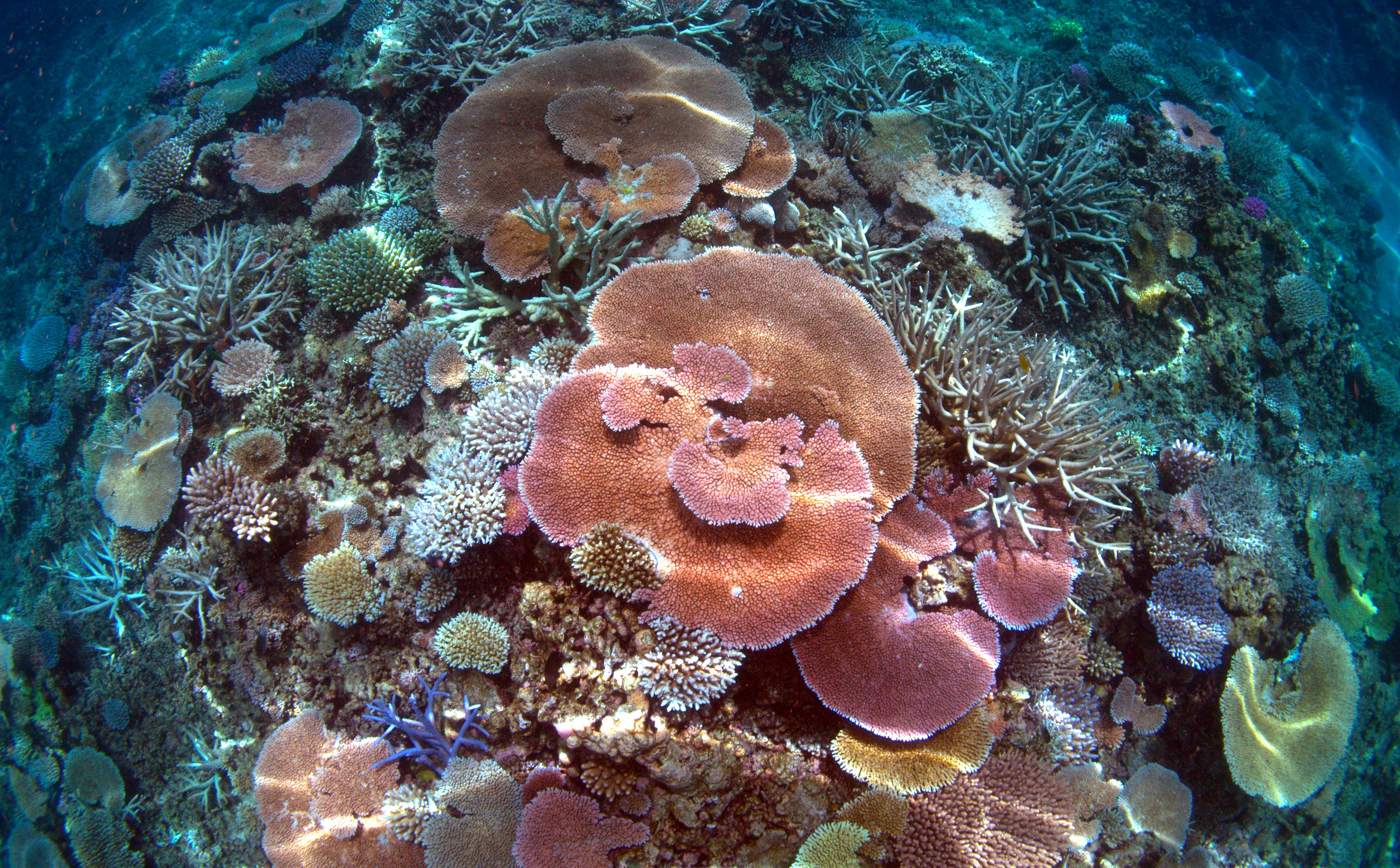
Table Coral (Acropora hyacinthus) forms long, table-shaped colonies in shallow depths. They are among the fastest growing of all coral, and their flat, plate-like structure highlights the display of vivid colors.
8. Reef Manta Ray
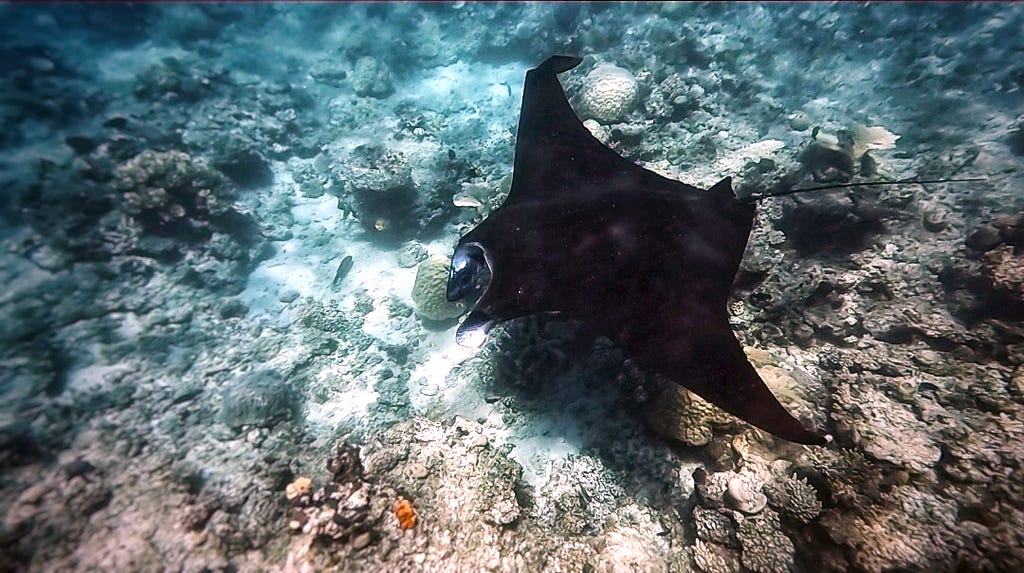
The Reef Manta Ray (Mobula alfredi) is one of the largest species of ray in the world, regularly measuring 3.5 m (11.5 ft) in disk width. They are filter-feeders who can dive up to 672 m (2204 ft) in search of food. They boast the largest brain-to-weight ratio among cold blooded fish and are known to form social communities.
Be sure to sign up to get Earthview in your inbox:
And consider a paid subscription to get premium analysis and support the work we’re doing!
7. Australian Snubfin Dolphin
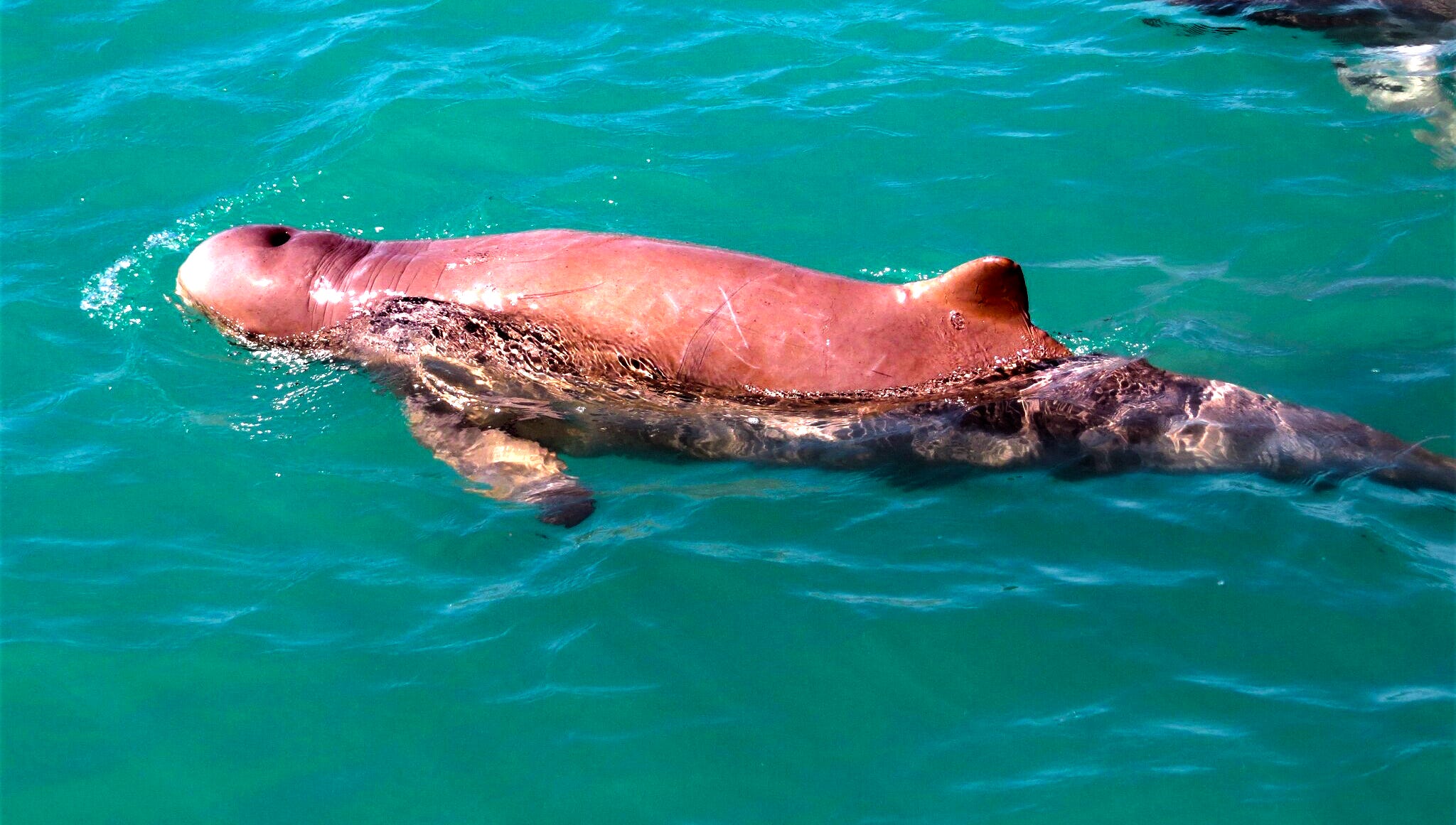
The Australian Snubfin Dolphin (Orcaella heinsohni) is a local dolphin that closely resembles the Irrawaddy Dolphin found in Southeast Asia. They are difficult to observe, but are thought to live in small groups of between two and six individuals and feed on a wide array of fish, shrimp and cephalopods.
6. Green Sea Turtle
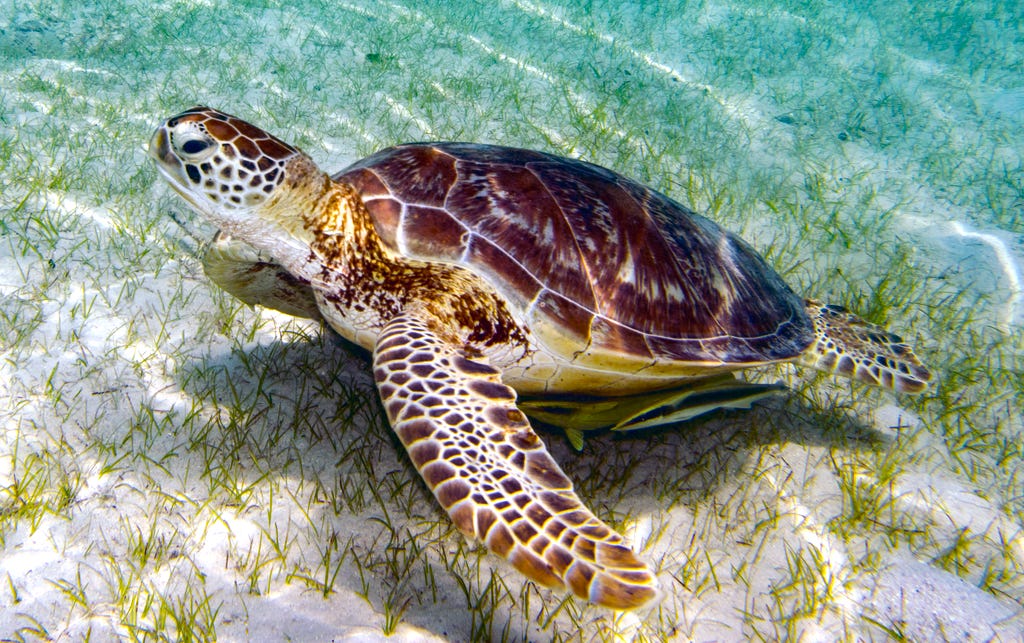
The Green Sea Turtle (Chelonia mydas) is a massive sea turtle that can reach 1.5 m (5 ft) long and 190 kg (419 lb) in weight. It feeds exclusively on seagrass, whose consumption gives the species its name by turning its fat a bright shade of green.
5. Whale Shark
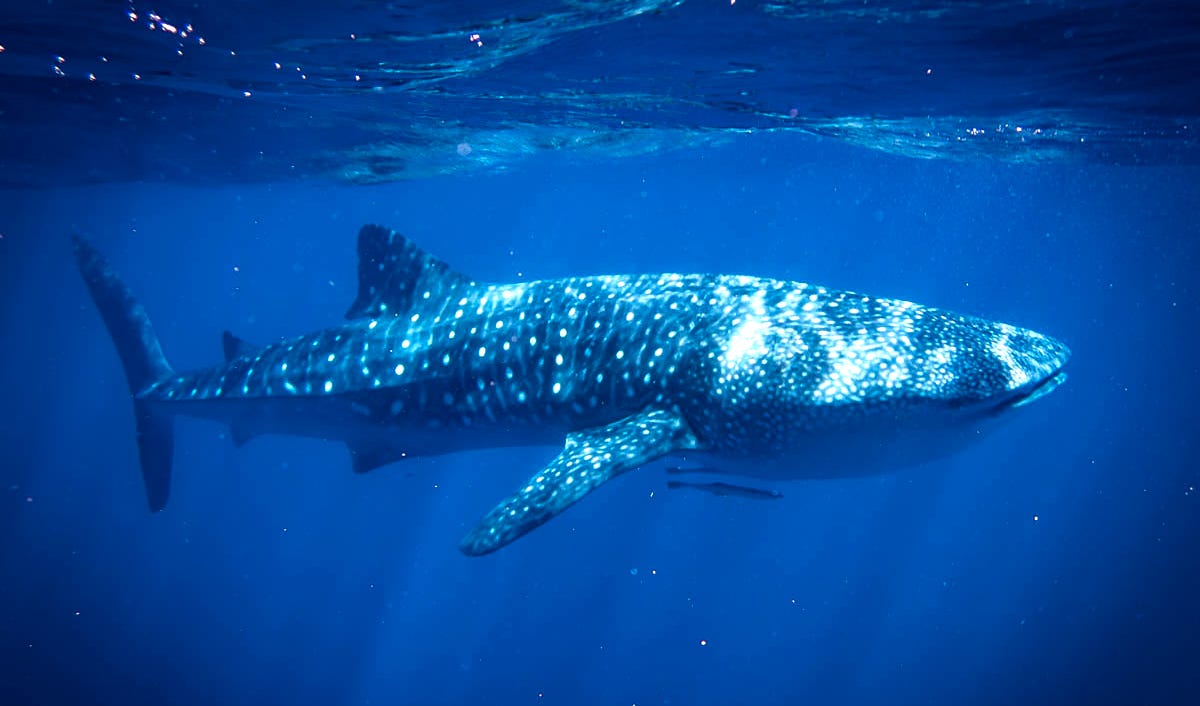
The Whale Shark (Rhincodon typus) is the largest known extant fish species. About the size of a large city bus, they are slow-moving, and unlike most sharks they are filter-feeders, not hunters. They pose no dangers to humans. But the reverse is not true, as Homo sapiens hunts the endangered whale shark for its fins, meat and liver oil.
4. Mandarinfish
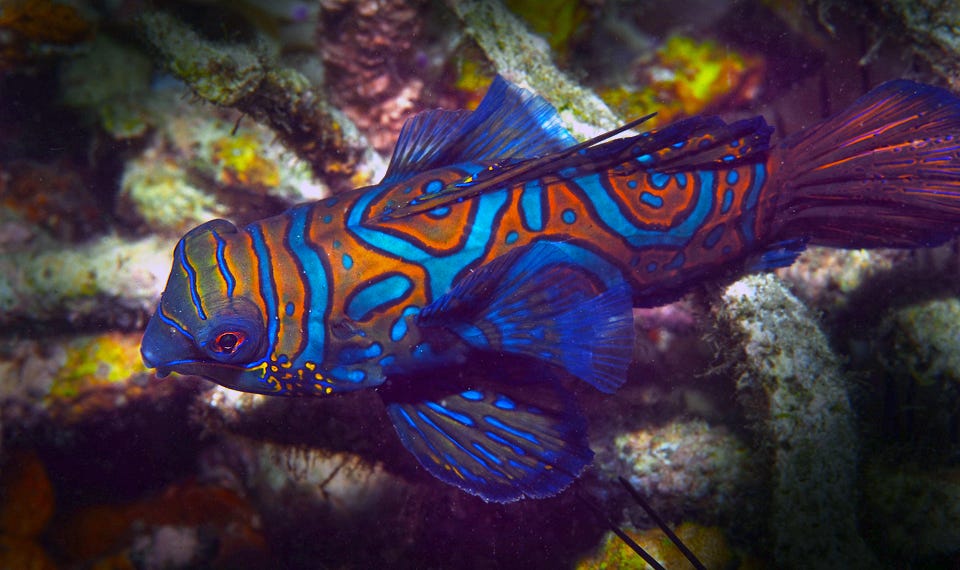
The Mandarinfish (Synchiropus splendidus) features one of the most striking bluish hues in nature. But they are typically difficult for divers to spot as they are bottom-feeders who only measure 6 cm (2.3 in) long.
3. Bubble Coral
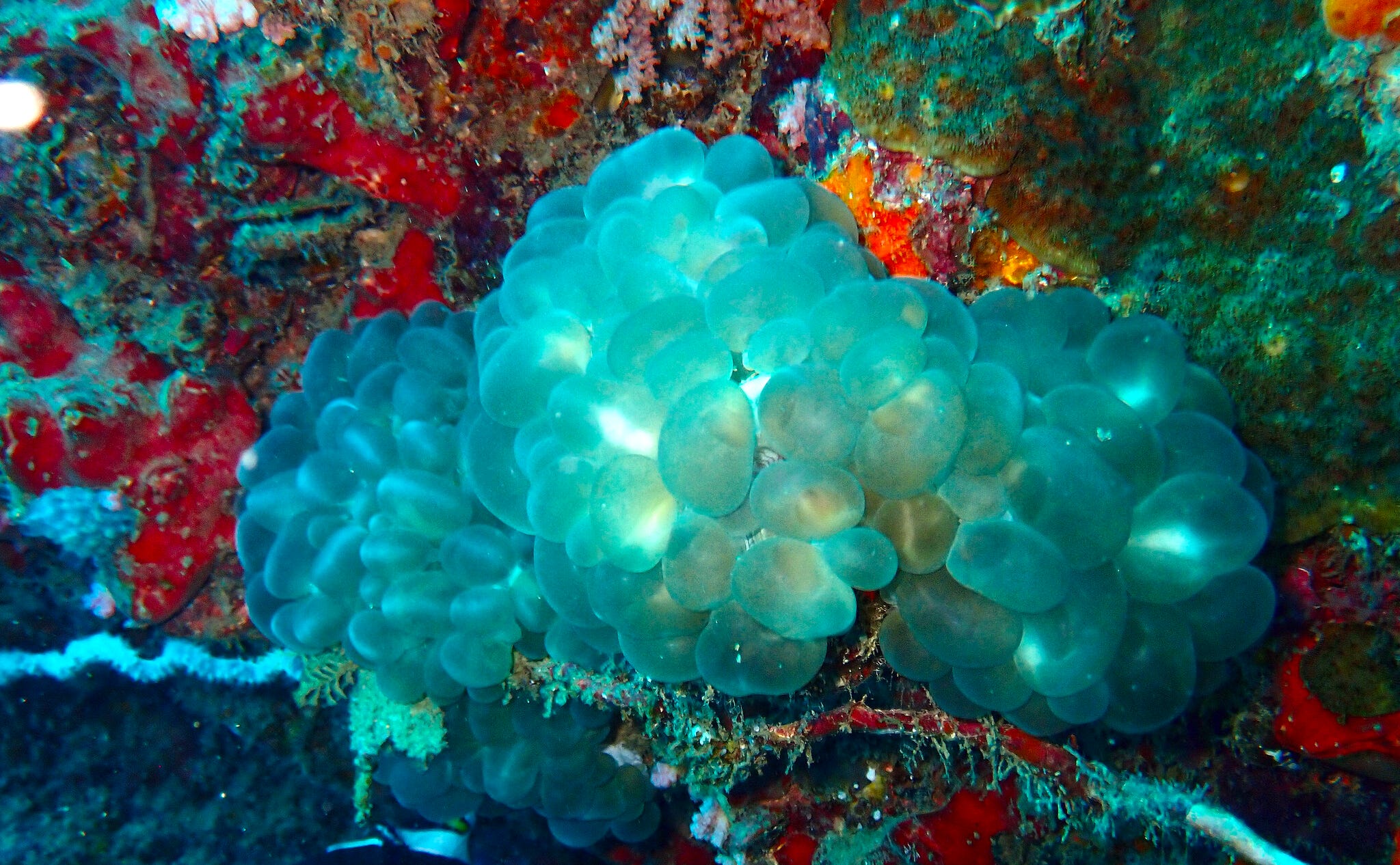
Bubble Coral (Plerogyra sinuosa) are known for their grape-sized “bubble” vesicles, which expand and contract depending on light levels. Their colonies can measure up to 1 meter (3.3 ft) across.
2. Moorish Idol
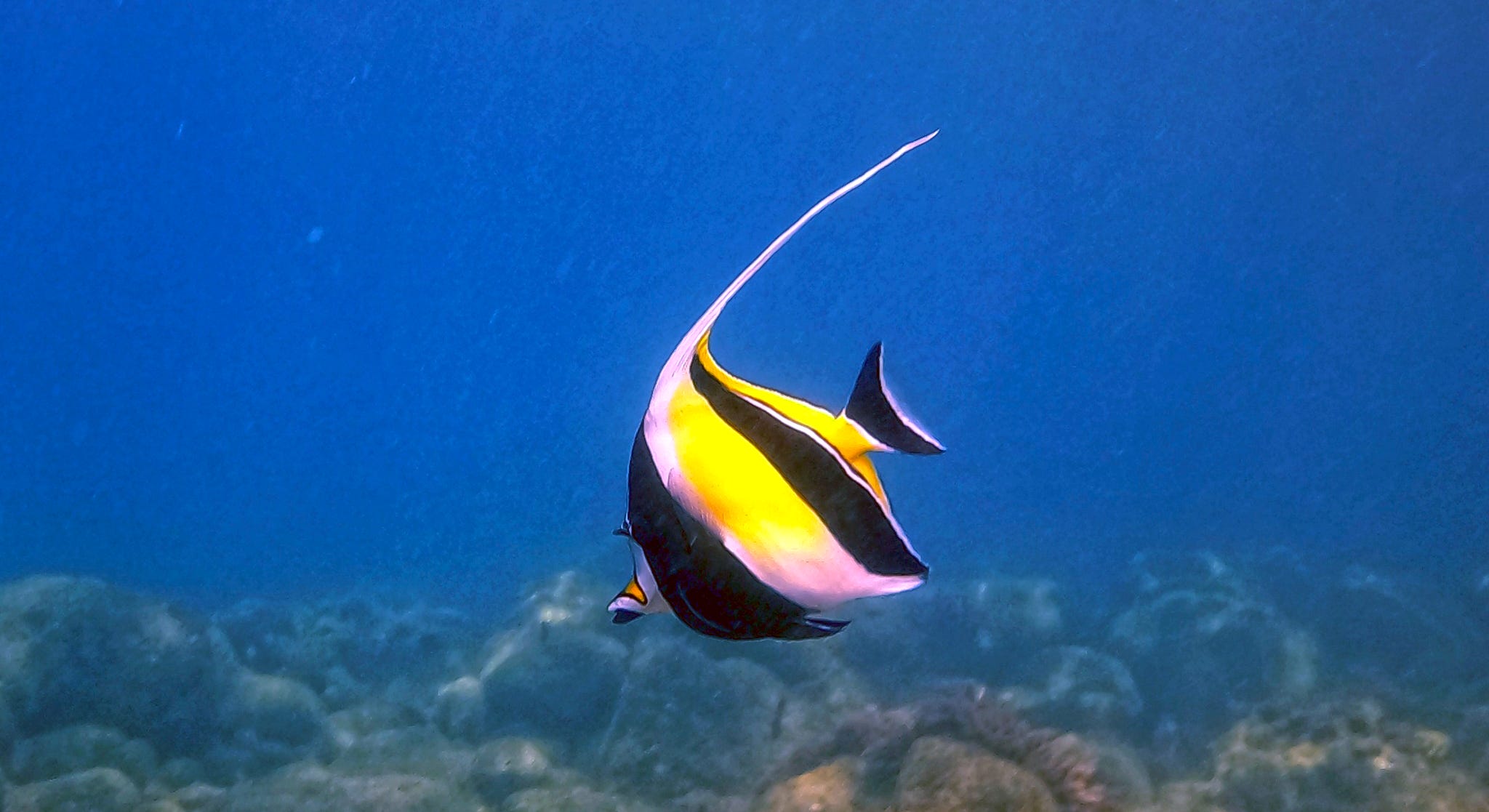
In some places, fisherman have traditionally revered the Moorish Idol (Zanclus cornutus) for its beauty. When caught they would release them back into the sea, and send them off with a bow in respect.
1. Emperor Angelfish
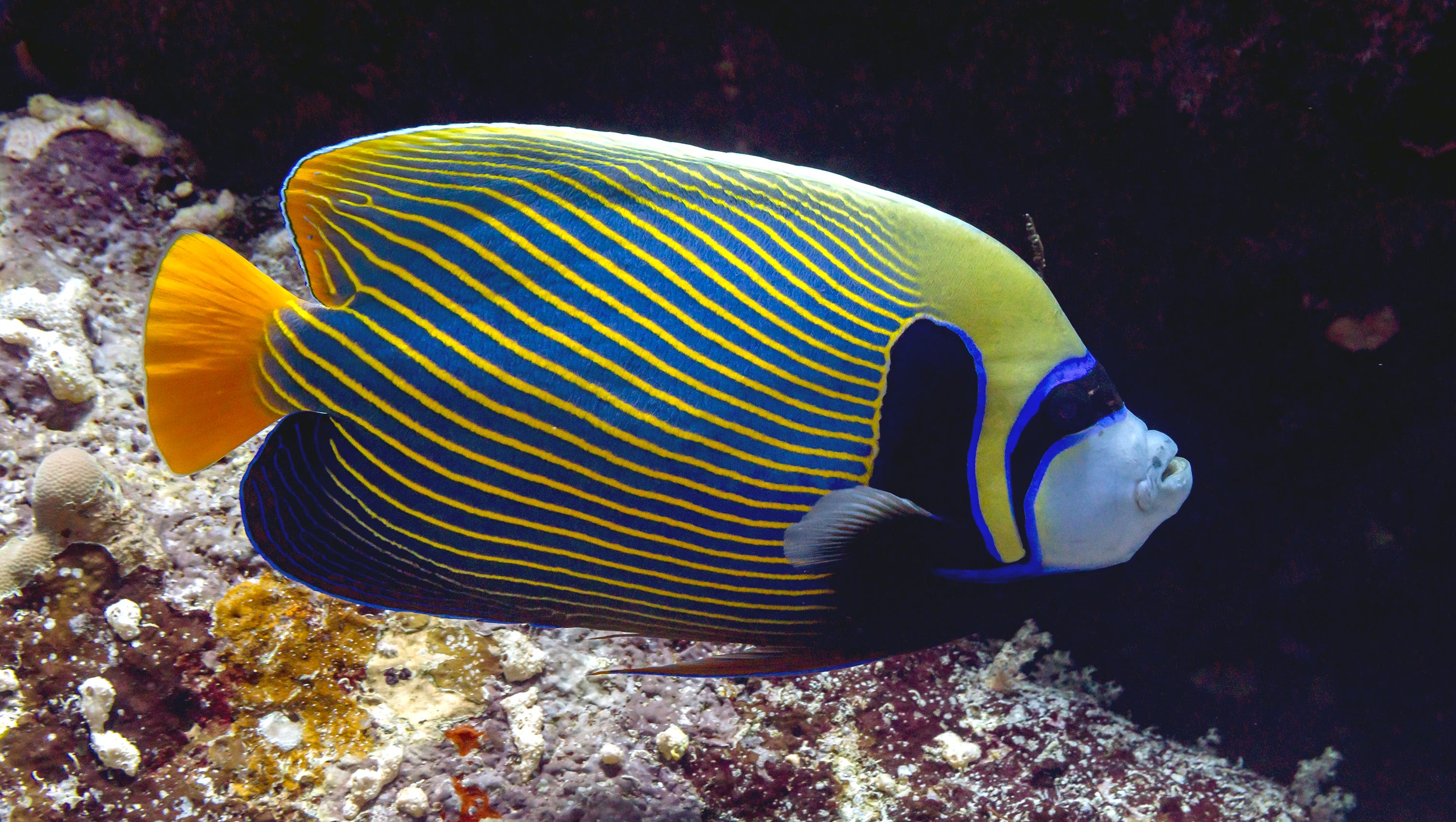
The Emperor Angelfish (Pomacanthus imperator), is favorite of reef photographers and aquarium collectors due to its vivid, rich coloration. Adults are found in the shallow waters of clear lagoons; the juveniles prefer the protection of deep caves.
Be sure to sign up to get Earthview in your inbox:
And consider a paid subscription to get premium analysis and support the work we’re doing!